
Early Outlook Suggests 2026 Atlantic Hurricane Season May Run Below Average
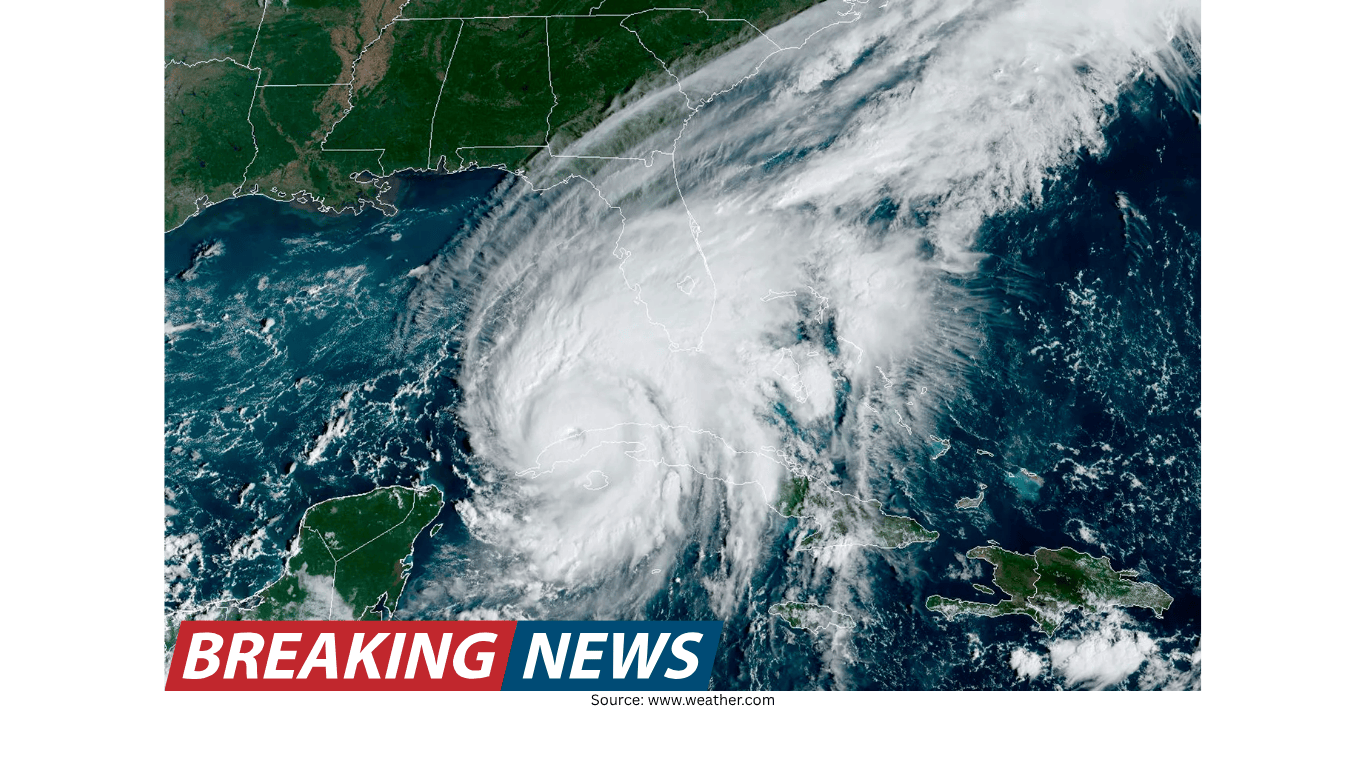
A seasonal forecast points to a quieter 2026 hurricane season
An early outlook for the 2026 Atlantic hurricane season is calling for activity to lean below average. The forecast comes from The Weather Company and Atmospheric G2, whose team points to two primary drivers behind the expectation: El Niño conditions and lukewarm Atlantic waters.
Seasonal hurricane forecasts are designed to describe broad patterns rather than predict the exact timing or track of any future storm. Still, they offer a snapshot of how large-scale climate signals may shape the overall environment during the season. In this case, the new assessment suggests the background conditions could be less favorable for high-end activity than in a typical year.
What “below average” means in a forecasting context
When a forecast team says a hurricane season may be “below average,” it generally refers to total seasonal activity compared with a long-term baseline. That baseline can vary by organization depending on the reference period used, but the idea is consistent: the season is expected to produce fewer storms, hurricanes, or major hurricanes than what is considered typical over many years.
It is important to treat this kind of language as a description of overall odds, not a guarantee of calm weather everywhere. A season that is below average in total numbers can still include dangerous storms, and a single landfalling system can create major impacts. The outlook is best understood as a view of the broader climate backdrop, not as a local risk forecast for any specific coastline.
The two key factors cited: El Niño and Atlantic water temperatures
The forecast team highlighted El Niño conditions as one of the main reasons the 2026 season is expected to lean below average. El Niño is a climate pattern associated with changes in ocean and atmospheric conditions, and it is frequently discussed in seasonal hurricane outlooks because it can influence how supportive the atmosphere is for tropical development.
Alongside El Niño, the outlook points to “lukewarm Atlantic waters.” Sea-surface temperatures in the Atlantic are a closely watched ingredient in hurricane season discussions because ocean warmth is part of the energy source that can help storms form and strengthen. Describing the waters as lukewarm signals that, at least in this outlook, the Atlantic is not expected to be exceptionally warm in a way that would strongly favor more frequent or more intense tropical systems.
Taken together, these two factors are presented as the central drivers behind the below-average projection from The Weather Company and Atmospheric G2.
How this outlook fits into the broader forecast landscape
The forecast also prompts a natural follow-up question: how does this projection compare with other outlooks that have been released? Seasonal hurricane forecasting is not limited to a single group, and multiple organizations often publish their own assessments as the season approaches and as climate signals become clearer.
Because different teams may weigh indicators differently, and because the atmosphere-ocean system evolves over time, it is common for outlooks to vary. Some may emphasize one signal more than another, or update their expectations as new information becomes available. The presence of multiple outlooks can be useful for context, helping audiences understand where there is broad agreement and where uncertainty remains.
In this case, the new forecast positions El Niño conditions and Atlantic water temperatures as central to its below-average call. Comparing that framework with other outlooks can help clarify whether other forecasters are focusing on the same drivers, interpreting them similarly, or arriving at a different conclusion.
Why seasonal hurricane outlooks can change
Even when a forecast is issued with confidence in certain signals, seasonal outlooks are not static. They can shift as the season nears, especially if the climate patterns that influence hurricane activity strengthen, weaken, or change timing. El Niño conditions, for example, can vary in intensity and persistence. Likewise, Atlantic water temperatures can fluctuate as weather patterns and ocean processes evolve.
For that reason, a forecast that leans below average should be read as an assessment based on the information available at the time it was produced. It is also a reminder that hurricane-season planning is best approached as a recurring process rather than a one-time decision based on a single early outlook.
What viewers are being told in the forecast breakdown
The forecast details are presented by meteorologist Caitlin Kaiser, who breaks down the outlook and the reasoning behind it. The key takeaway from the explanation is that the forecast team is leaning toward a below-average season and attributes that expectation to the combination of El Niño conditions and relatively lukewarm Atlantic waters.
That emphasis reflects a common approach in seasonal hurricane forecasting: identify the large-scale climate factors that can tilt the odds toward more or less activity across the basin, then translate that into a seasonal expectation. The breakdown also addresses the question of how the outlook compares with other forecasts that have already been released, underscoring that the 2026 season is being evaluated across the forecasting community.
Practical implications: “below average” does not mean “no risk”
One of the most important points for the public to keep in mind is that a below-average seasonal projection does not eliminate the possibility of serious impacts. Seasonal totals are basin-wide measures. They do not indicate where storms will track, whether any will make landfall, or which communities might be affected.
In other words, the difference between an active season and a quieter one can matter in the aggregate, but it does not provide certainty at the local level. For households, businesses, and local officials, it is often more useful to focus on readiness and monitoring than on the exact seasonal category.
How to interpret the drivers mentioned in the outlook
The two drivers cited—El Niño conditions and lukewarm Atlantic waters—are presented as a combination that could suppress overall activity compared with an average year. While the forecast does not provide additional numerical detail in the available description, the logic is straightforward: if the broader environment is less supportive for storm formation or intensification, the season’s totals may end up lower.
At the same time, these drivers are not the only influences on tropical activity, and the atmosphere can still produce periods of favorable conditions within a season. That is another reason seasonal categories should be treated as context rather than a definitive guide to what any specific week or month will bring.
What to watch for as the season approaches
As additional outlooks are issued and existing ones are updated, the main themes to watch are whether the same drivers remain in place and whether forecasters continue to interpret them as limiting factors. The outlook described here centers on El Niño conditions and Atlantic water temperatures, so future updates will likely revisit those elements.
For audiences following the 2026 season, the most helpful approach is to track how consistent the forecasts are over time. If multiple updates continue to point in the same direction, confidence may increase. If outlooks diverge, that can be a signal that uncertainty remains elevated and that conditions may be more variable than a single seasonal label suggests.
Key takeaways from the current 2026 outlook
A forecast from The Weather Company and Atmospheric G2 is calling for the 2026 Atlantic hurricane season to lean below average.
The forecast team cites El Niño conditions and lukewarm Atlantic waters as two key drivers behind the expectation.
The outlook is discussed in a breakdown by meteorologist Caitlin Kaiser.
The forecast raises the question of how it compares with other outlooks that have been released, reflecting that multiple assessments may be available.
A below-average seasonal projection does not rule out impactful storms; it describes overall expected activity rather than local outcomes.
Bottom line
The latest seasonal outlook described here suggests the 2026 Atlantic hurricane season may be less active than average, with El Niño conditions and relatively lukewarm Atlantic waters highlighted as the main reasons. As more outlooks and updates emerge, comparisons across forecasts can offer useful context—especially when they agree on the same drivers. Regardless of the seasonal category, the forecast serves primarily as a big-picture guide, not a promise of minimal impacts.