
What a Potential “Super El Niño” Could Mean for Weather Across the U.S.
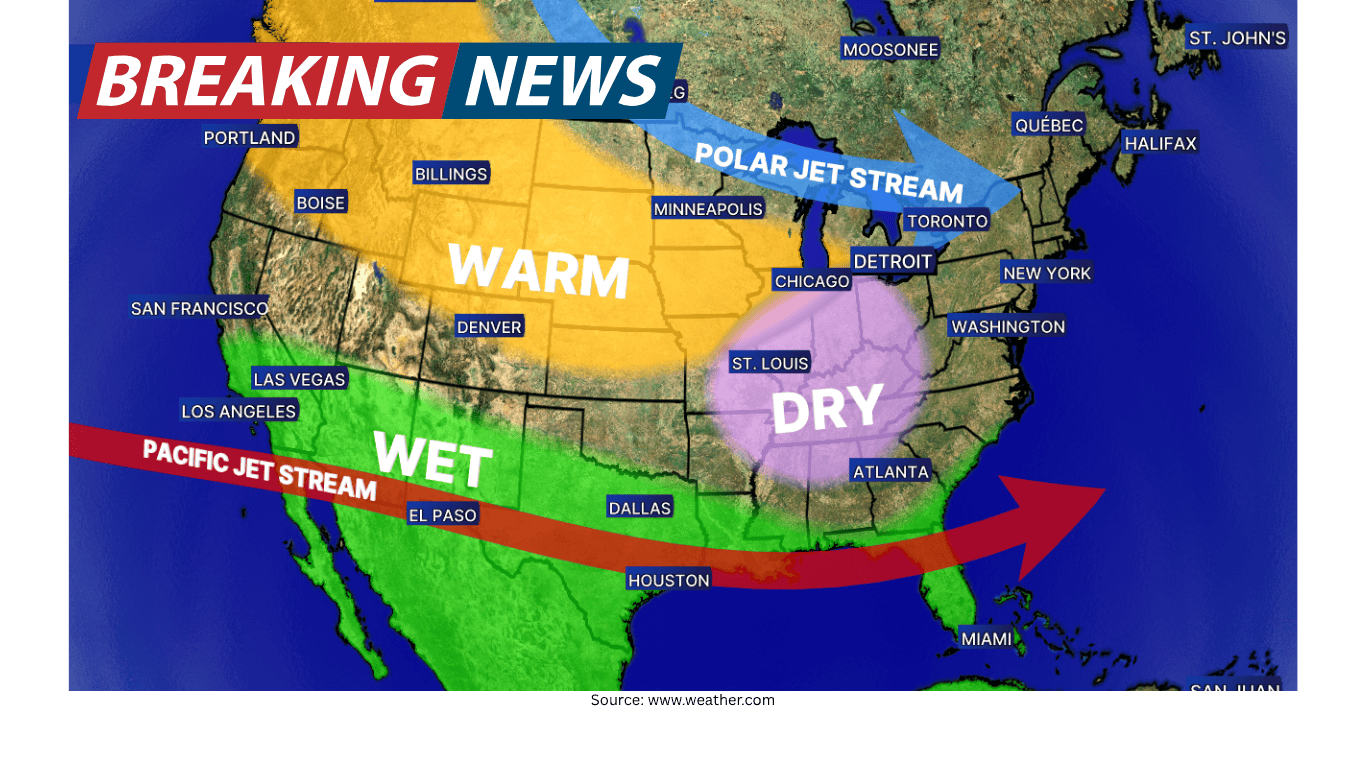
El Niño is expected to form later this year, a development that often draws heightened attention from forecasters, emergency planners, and anyone whose work or travel depends on seasonal weather patterns. Alongside the basic question of whether El Niño will develop is a more specific one: what are the chances it could become a “super El Niño,” and what would that mean for the United States?
Meteorologist Jennifer Gray has explained what a super El Niño is and why it matters. The term is commonly used to describe an especially strong El Niño event. While El Niño itself is a recurring climate pattern, unusually intense episodes can be associated with larger or more far-reaching shifts in weather and climate patterns. Understanding the concept helps set expectations and frame the uncertainty that comes with seasonal forecasting.
El Niño, in brief: why it matters to the U.S.
El Niño is a climate pattern that can influence weather and climate across the U.S. When forecasters say El Niño is expected to form later this year, they are pointing to a shift that may affect how weather behaves over the months that follow.
It’s important to separate two related ideas:
- Weather, which describes day-to-day conditions such as rain, wind, and temperature.
- Climate patterns, which describe broader tendencies and influences that can tilt the odds toward certain types of weather over a season.
El Niño is discussed in the second sense: it can shape the background conditions that influence seasonal outcomes. That doesn’t mean it determines the exact weather on a given day, but it can be linked to changes in the frequency or intensity of certain patterns.
What is a “super El Niño”?
The phrase “super El Niño” is used to describe a particularly strong El Niño. Jennifer Gray’s explanation centers on defining what makes such an event distinct: it is not simply the presence of El Niño conditions, but the potential for an unusually intense episode.
Because the term is tied to strength, it is often used in conversations about potential impacts. A stronger event can be associated with more pronounced shifts in weather and climate signals. However, the fact that El Niño is expected to form later this year does not automatically mean a super El Niño will occur. The question is about probability and evolution: how the developing pattern might intensify and what that intensification could imply.
Why the “super” question comes up early
When an El Niño is anticipated, interest quickly turns to its possible intensity. That is partly because the potential impacts on weather and climate across the U.S. can be different depending on how strong the event becomes. In other words, the intensity can matter for how noticeable the influence may be.
At the same time, intensity is not something that can be declared with certainty far in advance. Early discussions about a super El Niño are best understood as scenario planning: a way to consider what could happen if the event strengthens beyond a typical threshold.
Potential meaning for weather and climate across the U.S.
Gray’s overview focuses on what a super El Niño could mean for weather and climate across the United States. The key point is that El Niño—especially if unusually strong—can have broad influence. That influence may show up in shifts to weather patterns, seasonal tendencies, or climate signals that affect multiple regions.
Because the provided information does not list specific regional outcomes, it is most accurate to describe the implications at a national level: a super El Niño is discussed because it could be associated with more substantial or more widespread effects than a weaker event.
In practical terms, the “meaning” of a super El Niño is less about a single forecast and more about the potential for the climate pattern to exert a stronger pull on the atmosphere. That can matter to:
- Seasonal planning, as agencies and industries consider how conditions could trend over time.
- Risk awareness, as communities pay attention to evolving outlooks that may influence preparedness decisions.
- Public expectations, since the term “super” can amplify concern or curiosity and needs clear explanation.
What to watch as El Niño develops later this year
With El Niño expected to form later this year, the most relevant question becomes how the event develops over time. The conversation about a super El Niño is essentially about monitoring: whether the pattern strengthens and, if so, how quickly and how much.
For readers trying to make sense of evolving updates, it can help to focus on three ideas:
- Formation: confirmation that El Niño conditions have developed.
- Strength: whether the event remains modest or intensifies toward a stronger category.
- Implications: what forecasters say about possible effects on U.S. weather and climate as confidence improves.
Because seasonal climate patterns evolve, updates can change. Early outlooks may emphasize possibilities, while later outlooks may offer more confidence about likely outcomes.
How to interpret “could mean” in forecasting language
Forecast discussions often use language such as “could mean” for good reason. Climate patterns like El Niño influence the odds of certain outcomes, but they do not guarantee them. Even in the case of a super El Niño, the relationship between the climate signal and local weather can vary.
That’s why explanations like Gray’s are valuable: they define the term and connect it to the broader idea of U.S. weather and climate impacts, without implying that every location will experience the same change or that every season will unfold the same way.
In other words, “could mean” should be read as a discussion of potential influence rather than a promise of specific daily conditions.
Why clear definitions matter when the term “super” is used
Public interest tends to rise when forecasters use intensified labels. “Super El Niño” is a phrase that can quickly spread, but without context it can be misunderstood. A clear definition helps keep the focus on what is known and what remains uncertain.
Based on the provided information, the most grounded way to interpret the term is straightforward: it refers to an especially strong El Niño. The reason it’s discussed is equally straightforward: a stronger event can be associated with larger-scale implications for weather and climate across the U.S.
That framing helps avoid two common pitfalls:
- Overconfidence: assuming that a strong event automatically dictates specific outcomes everywhere.
- Dismissal: assuming that because uncertainty exists, the pattern is irrelevant.
What this means for everyday decisions
For many people, the value of climate pattern discussions lies in how they inform awareness rather than dictate decisions. If El Niño is expected to form later this year, it can be a reminder to pay attention to seasonal outlooks as they are updated.
A potential super El Niño adds another layer: it suggests that forecasters are watching not only for development, but for the possibility of unusual strength. That can influence how closely people follow updates, particularly those with weather-sensitive plans.
Still, the most practical approach is incremental: monitor forecasts, look for consistent signals over time, and treat early “super” discussions as possibilities rather than conclusions.
The bottom line
El Niño is expected to form later this year, and the possibility of a “super El Niño” is part of the conversation because intensity can matter. Jennifer Gray’s explanation underscores two essential points: what a super El Niño is—an especially strong El Niño—and why it could be significant, given its potential to influence weather and climate across the United States.
As the year progresses, the key will be watching how conditions evolve and how forecast confidence changes. In the meantime, understanding the term and its implications can help readers interpret updates with the right balance of attention and caution.