
Afghanistan Floods and Landslides Kill 77 as More Rain Is Forecast
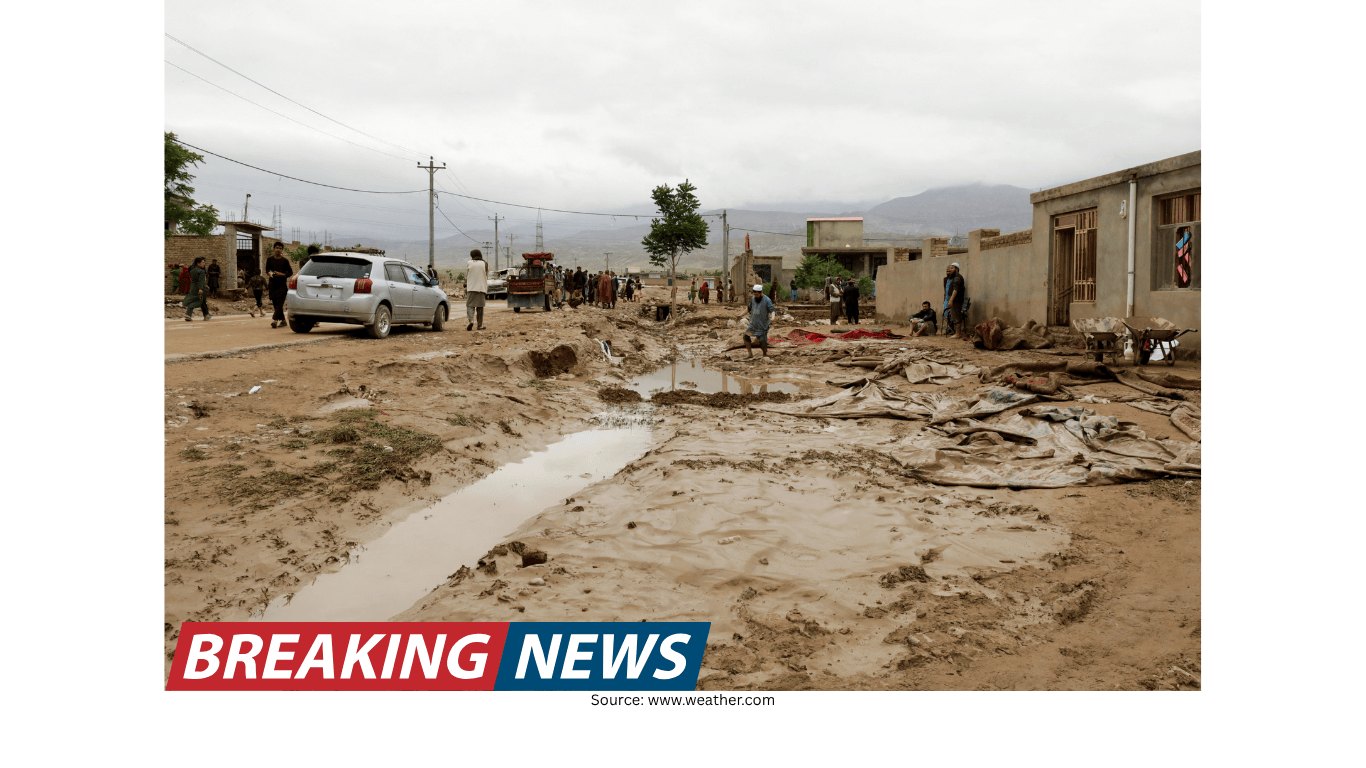
Deadly storms sweep across Afghanistan
Heavy rain and storms across Afghanistan have triggered widespread flooding, landslides and lightning strikes over the past 10 days, leaving at least 77 people dead and 137 injured, according to the country’s Disaster Management Authority. The scale of the impact reflects how quickly weather hazards can cascade into a broader emergency when rain falls hard and persistently across vulnerable terrain.
Officials say the latest deaths include 26 people killed in the past 48 hours alone, underscoring that the danger has not been confined to a single day of extreme weather. Floodwaters and slope failures have been reported alongside lightning strikes, a combination that can affect both rural communities and major transport corridors.
More rain expected, officials urge caution
Authorities have warned that additional rainfall is forecast in the coming days across Afghanistan. In response, the Disaster Management Authority has urged the public to stay away from riverbanks and areas prone to flooding. Such warnings are intended to reduce exposure to rapidly rising water levels and to the unstable ground conditions that can follow prolonged rain.
In a country where many communities live close to waterways and depend on road links that traverse mountain valleys and passes, even moderate additional rainfall can complicate rescue and recovery work. Officials’ guidance emphasizes avoiding high-risk areas as conditions remain unsettled.
Homes destroyed, families affected
The human toll is accompanied by extensive damage to housing. The Disaster Management Authority reported that 793 homes have been completely destroyed and another 2,673 have been damaged. For the families involved, this can mean displacement, loss of essential belongings, and the immediate need for shelter and support.
Overall, more than 5,800 families have been affected. The figure captures not only those whose homes were damaged or destroyed, but also households facing disrupted access to roads, services, and livelihoods in flooded or landslide-hit areas.
Roads and highways hit, travel disrupted
Damage to infrastructure has been significant. Floods and landslides have destroyed 337 kilometers (about 210 miles) of roads, according to the Disaster Management Authority. In a mountainous country where travel often depends on a limited number of key routes, road damage can quickly isolate communities and slow the movement of aid and emergency services.
Several highways connecting the capital, Kabul, to the provinces have also been damaged by flooding and landslides, forcing travelers to take longer, circuitous routes to reach the city, according to Public Works Ministry spokesman Ashraf Haqshinas. The ministry has warned travelers to be cautious when using roads in affected areas, reflecting the ongoing risk from unstable slopes, debris, and waterlogged surfaces.
Kabul–Jalalabad highway closed by landslides and flooding
Among the most important routes affected is the Kabul to Jalalabad highway, described by officials as the main road linking the capital to the Pakistani border and eastern Afghan provinces. According to the Public Works Ministry, a landslide and rockfalls, along with flooding, shut the highway on Thursday morning.
Crews have been working to reopen the road, Haqshinas said. Restoring access on this corridor is critical for travel and transport between Kabul and the east, but reopening efforts can be complicated by continuing rain and the possibility of further slope failures.
Salang Pass shut, north-south link disrupted
Flooding has also shut the Salang Pass, a high mountain pass in the Hindu Kush range that connects Kabul to northern Afghanistan, including the major cities of Kunduz and Mazar-e-Sharif. Closure of the pass can have wide ripple effects, limiting movement of people and goods between the capital and the north.
When a major pass is closed, alternate routes may be longer or less reliable, and travel conditions can become more hazardous. The shutdown highlights how weather-driven events can quickly interrupt strategic links across Afghanistan’s rugged geography.
Damage extends to businesses and agriculture
Beyond homes and roads, officials reported damage to businesses, agricultural land, water wells, and irrigation canals. These impacts can be particularly severe in areas where local economies depend on farming and small enterprises, and where water infrastructure supports both households and crops.
Damage to wells and irrigation canals can affect water access and agricultural productivity, while harm to farmland and businesses can slow recovery even after floodwaters recede. The combined effect adds another layer to the emergency faced by affected families.
Afghanistan’s vulnerability to extreme weather
Officials noted that dozens of people have died this year due to extreme weather in Afghanistan. The country is described as impoverished and highly vulnerable to extreme weather events, a context that can magnify the consequences of storms, heavy rain, and snowfall.
Earlier this year, heavy snowfall and flash floods left dozens of people dead across the country. Such events illustrate the range of hazards Afghanistan faces, from winter conditions to sudden spring and summer flooding, often affecting multiple regions at once.
Flash floods are a recurring threat
Snow and heavy rain often trigger flash floods in Afghanistan, with officials noting that such events can kill scores—or even hundreds—of people at a time. The country’s steep terrain and narrow valleys can funnel water quickly, increasing the speed and force of floodwaters.
In 2024, more than 300 people died in springtime flash floods, according to the information provided. That recent history adds context to the current disaster: while each event has its own local causes and impacts, the broader pattern is one of recurring, deadly flooding linked to heavy precipitation.
Public safety guidance as conditions remain unstable
With more rain forecast, officials’ warnings focus on reducing exposure to the most dangerous environments during and after heavy rainfall. Riverbanks can become hazardous as water levels rise rapidly, and areas known to flood can turn dangerous with little notice.
Road travel also carries heightened risk when storms trigger landslides and rockfalls. The Public Works Ministry’s caution to travelers reflects the reality that even after an initial closure is cleared, additional debris or new slope failures can occur, particularly if rainfall continues.
Key figures from the disaster update
77 people reported dead and 137 injured over the past 10 days due to flooding, landslides and lightning strikes triggered by heavy rain and storms.
26 of the reported deaths occurred over the past 48 hours, according to the Disaster Management Authority.
793 homes reported completely destroyed and 2,673 homes damaged.
337 kilometers (about 210 miles) of roads reported destroyed by floods and landslides.
More than 5,800 families reported affected overall.
Damage reported to businesses, agricultural land, water wells and irrigation canals.
Major routes impacted include the Kabul–Jalalabad highway and the Salang Pass.
What comes next
As Afghanistan braces for additional rainfall in the coming days, the immediate priorities remain public safety, restoring access along damaged roads, and addressing the needs of families whose homes and livelihoods have been affected. With key highways disrupted and a major mountain pass closed, travel is expected to remain difficult in some areas, and officials continue to urge caution near flood-prone zones.
The latest storm impacts add to a year in which extreme weather has already caused significant loss of life in Afghanistan, including deaths linked to heavy snowfall and flash floods. The current situation, marked by ongoing forecasts for more rain, suggests that the risk of further flooding and landslides remains a central concern for communities and authorities alike.