
Springs Fire Near Lake Perris Grows Past 4,100 Acres as Gusty Winds Slow Containment
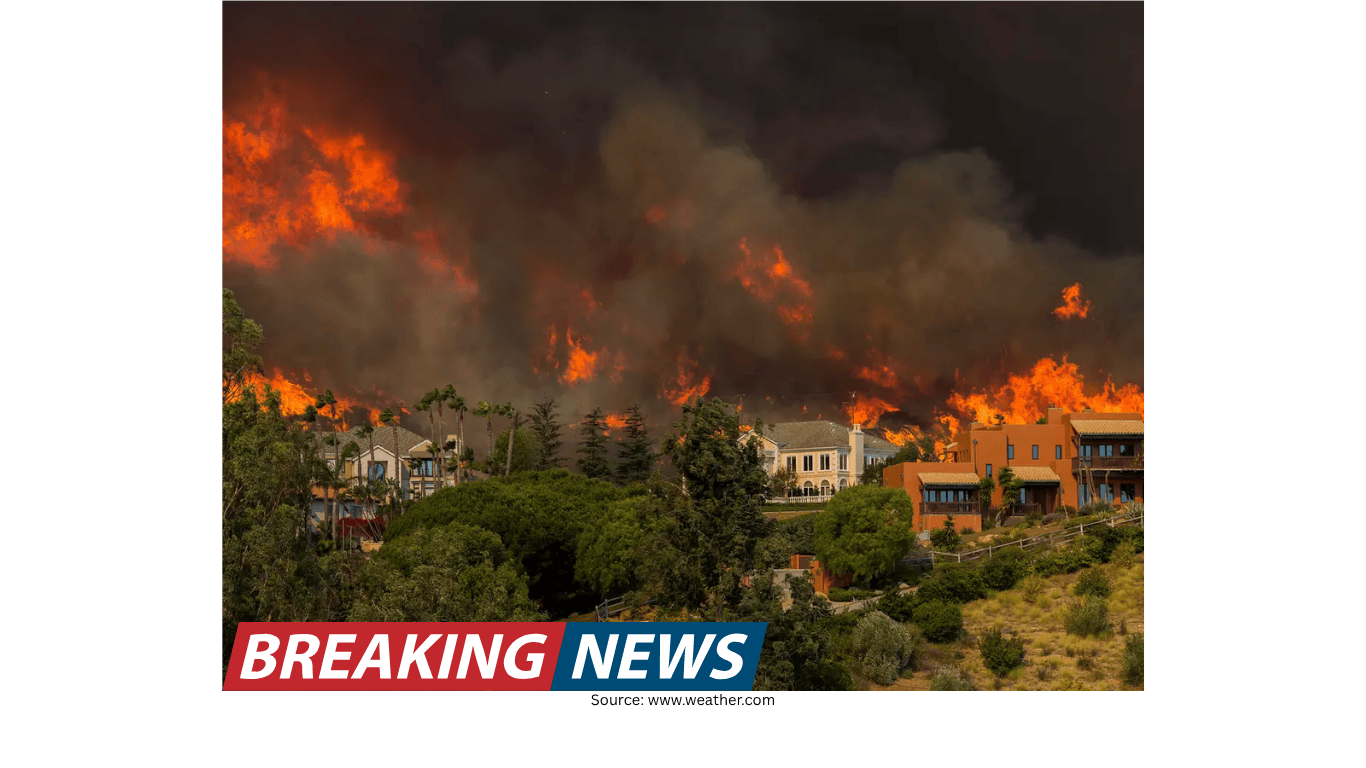
Fire activity continues near Lake Perris
The Springs Fire has burned more than 4,100 acres near Lake Perris in Riverside County, California, since igniting Friday morning. As of the latest update provided in the available information, the fire is only 10% contained, a figure that underscores how difficult it can be to gain ground when conditions are not cooperating.
Firefighters are contending with wind gusts up to 50 mph, which are complicating suppression efforts. Strong, shifting winds can push flames into new areas, increase the pace of spread, and make it harder for crews and aircraft to operate effectively. In this case, the gusty conditions are a central factor in why containment remains limited even as a large response is underway.
Winds up to 50 mph complicate firefighting operations
Wind plays a major role in how quickly a wildfire grows and how safely it can be fought. In the Springs Fire, gusts reaching up to 50 mph are described as complicating firefighting efforts. Those winds can fan flames and carry embers, making it more challenging to establish and hold containment lines.
From an operational standpoint, strong winds can also affect the use of helicopters and other aerial resources. Aircraft often provide critical support by dropping water and assisting ground crews, but their effectiveness can be reduced when winds are strong and unpredictable. The same winds can also influence where smoke travels, contributing to air-quality concerns beyond the immediate burn area.
Evacuations ordered east of Moreno Valley
As the fire has expanded, evacuations have been issued east of Moreno Valley. Evacuation orders are a precautionary measure designed to protect residents as conditions change, especially when winds can rapidly alter the fire’s direction or intensity.
In addition to the evacuation orders, Valley View High School is serving as a temporary shelter. The designation of a shelter provides a central location for evacuees to go as they move away from threatened areas, offering a measure of stability during an uncertain and stressful period.
Schools and daily routines disrupted by smoke and air quality
Beyond the immediate fire zone, the Springs Fire is also affecting daily life through air-quality impacts. Moreno Valley College closed its main campus due to poor air quality, according to the information provided. Smoke can travel far from a wildfire, and even communities not directly in the path of flames may experience hazardous conditions depending on wind direction and strength.
Campus closures are an example of how wildfire impacts can extend beyond evacuation areas. Poor air quality can pose risks, especially for people with respiratory conditions, and can disrupt normal schedules for students, staff, and families. The closure of a major campus also reflects the seriousness of the smoke impacts associated with the ongoing fire activity.
More than 250 personnel deployed with ground and air resources
The response to the Springs Fire includes more than 250 fire personnel battling the flames. The effort involves engines and helicopters, combining ground-based suppression with aerial support. This type of coordinated response is commonly used when a fire is large, fast-moving, or influenced by strong winds.
Engines are typically used to support crews on the ground, protect structures where needed, and help establish control lines. Helicopters can assist by delivering water and supporting operations in areas that may be difficult for ground crews to access quickly. With the fire at 10% containment, the scale of the response highlights the challenge posed by the wind-driven conditions.
Containment remains limited as the situation evolves
Containment is reported at 10%. While containment does not necessarily mean a fire is fully controlled, it is a key indicator of progress in building and securing lines intended to stop the fire’s spread. A low containment figure can reflect a combination of factors, including active fire behavior, difficult terrain, and weather conditions such as the reported gusts up to 50 mph.
In the case of the Springs Fire, the information emphasizes that wind is a complicating factor. When winds are strong, firefighters may need to adjust tactics, prioritize safety, and focus resources on the most immediate threats. That can slow the pace of containment even when significant personnel and equipment are on scene.
No deaths reported; cause under investigation
According to the details provided, no deaths have been reported. That is an important point amid a rapidly developing incident that has prompted evacuations and significant deployment of firefighting resources.
The cause of the Springs Fire remains under investigation. During active incidents, determining origin and cause can take time, and investigators typically work alongside response teams while ensuring that suppression operations and public safety needs remain the priority.
Key facts at a glance
Location: Near Lake Perris in Riverside County, California
Size: More than 4,100 acres burned
Start time: Ignited Friday morning
Containment: 10%
Weather factor: Wind gusts up to 50 mph complicating firefighting
Evacuations: Issued east of Moreno Valley
Shelter: Valley View High School serving as a temporary shelter
Air quality impacts: Moreno Valley College closed its main campus due to poor air quality
Response: More than 250 fire personnel using engines and helicopters
Cause: Under investigation
Fatalities: No deaths reported
What the current conditions mean for the region
The Springs Fire illustrates how quickly a wildfire can become a major incident when wind is strong. With gusts up to 50 mph, the fire environment can change rapidly, affecting both the direction of spread and the intensity of flames. These conditions can also influence where smoke travels, which is consistent with the reported poor air quality that led to the closure of Moreno Valley College’s main campus.
At the same time, the issuance of evacuations east of Moreno Valley points to the level of concern for communities near the fire. Evacuations are typically issued when there is a credible threat that conditions could deteriorate quickly, particularly when wind can push a fire beyond expected boundaries.
Community impacts: evacuation, sheltering, and closures
Wildfires often create a layered set of impacts: immediate danger from flames, disruption from evacuations, and broader health concerns from smoke. In this incident, those impacts are visible in the steps taken by local authorities and institutions.
Valley View High School serving as a temporary shelter indicates that evacuees have been directed to a specific facility for support. Meanwhile, the closure of Moreno Valley College’s main campus due to poor air quality shows how smoke can affect public spaces and institutions even when they are not directly threatened by the fire itself.
These measures—evacuation orders, shelter operations, and campus closures—are part of the broader response landscape that accompanies large fires, especially when containment is still limited.
Firefighting resources and the challenge of wind-driven fire behavior
With more than 250 fire personnel engaged, the Springs Fire response is substantial. The use of engines and helicopters reflects a combined approach aimed at slowing the fire’s spread, protecting threatened areas, and working toward higher containment.
However, the reported wind gusts up to 50 mph are a defining feature of this event. Wind can reduce the effectiveness of certain tactics, extend the time needed to secure lines, and require constant reassessment of priorities. Even with a strong response, progress can be incremental when gusts are strong and persistent.
Ongoing investigation and continued monitoring
As the fire continues, the cause remains under investigation. Determining how a fire started is a separate process from suppressing it, and it often continues even as crews work to contain the blaze. The information available does not provide further details on the investigation, only that it is ongoing.
With the fire burning more than 4,100 acres and containment at 10%, the situation remains dynamic. The combination of active fire behavior, strong winds, and smoke impacts means the region will likely continue to monitor conditions closely, including evacuation status, shelter needs, and air-quality concerns.
Summary
The Springs Fire, burning near Lake Perris in Riverside County, California, has grown to more than 4,100 acres since igniting Friday morning. The fire is 10% contained, with wind gusts up to 50 mph complicating firefighting efforts. Evacuations have been issued east of Moreno Valley, and Valley View High School is serving as a temporary shelter. Smoke and poor air quality have also affected the area, prompting Moreno Valley College to close its main campus. More than 250 fire personnel are working the incident with engines and helicopters. The cause remains under investigation, and no deaths have been reported.