
Tornado Strikes Rochester Hillsides, Leaving Widespread Damage Across Neighborhoods
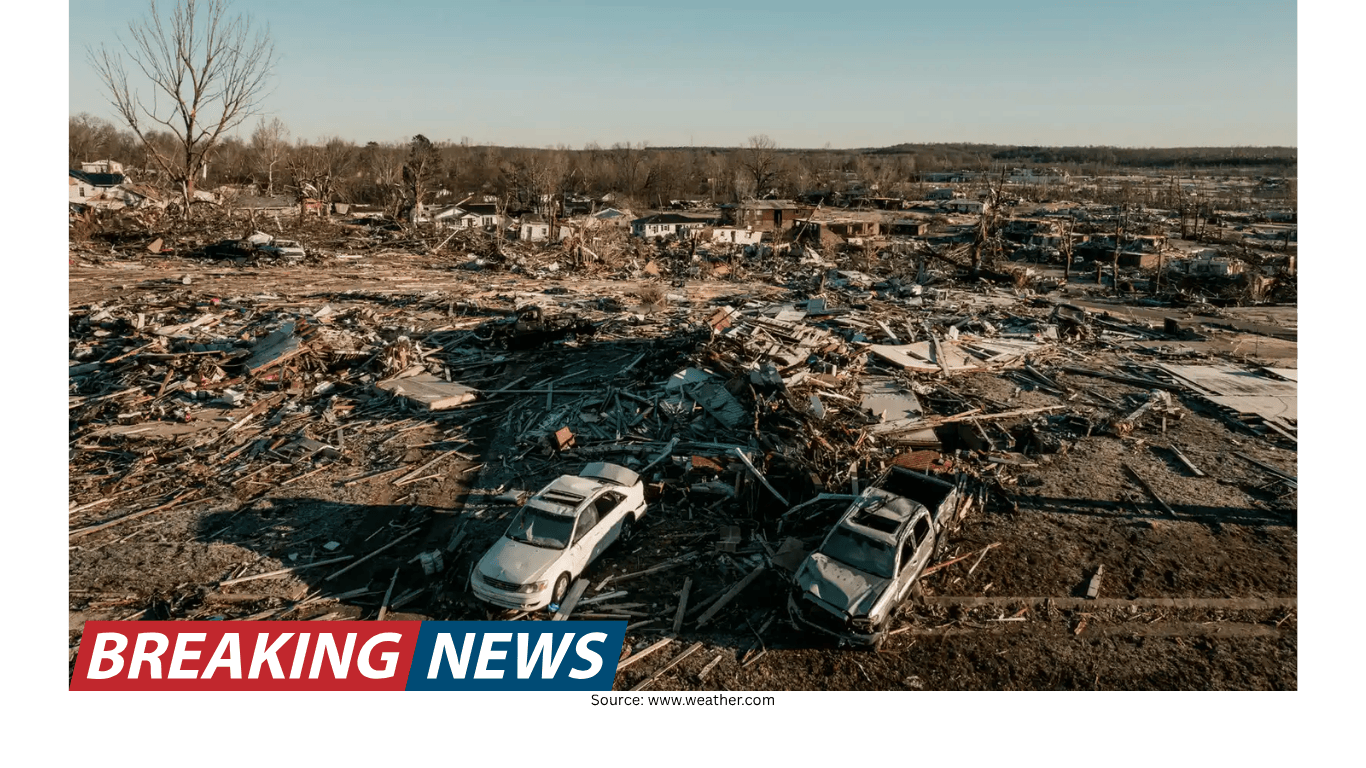
A damaging tornado cuts through Rochester
A tornado moved through the hillsides of Rochester, Minnesota, leaving behind a clear and troubling path of destruction across residential areas. The storm’s impact was visible in the way it tore into homes and vegetation, transforming familiar streets into scenes of scattered debris and damaged property. In the immediate aftermath, residents were left to take stock of what happened and what remains, while emergency crews began the careful work of assessing conditions on the ground.
The tornado’s track through Rochester’s communities was described as destructive, with damage spread across multiple neighborhoods. The setting—hillside residential areas—added to the sense of disruption, as the storm pushed through places where homes and trees are closely packed and where debris can quickly be thrown into yards, streets, and surrounding properties.
Video captures the storm’s aftermath at 1:05 PM
Footage recorded at 1:05 PM documented the extent of the tornado’s damage in Rochester. The video showed multiple homes with roofs completely ripped off, a sign of the extreme forces involved. In some cases, the destruction appeared to reach beyond roofing materials, with partial second levels of homes also damaged. Such scenes underline how quickly a tornado can turn a stable structure into a compromised one.
The same footage also highlighted widespread damage to trees throughout residential neighborhoods. Many were snapped, described as breaking like toothpicks, which is consistent with the kind of intense wind and rapid pressure changes associated with tornadoes. The combination of structural damage and downed trees suggests a broad impact on property and likely challenges for access and cleanup in the affected areas.
Homes suffer roof loss and upper-level damage
Among the most striking elements of the damage described were homes with roofs completely torn away. Roof loss not only exposes interiors to the elements but can also compromise the overall stability of a building. Even when walls remain standing, the absence of a roof can render a home temporarily uninhabitable and can complicate recovery efforts for residents.
In addition to roof damage, some homes showed partial destruction to their second levels. Upper-story damage can indicate that the storm’s strongest winds reached high enough to impact elevated sections of buildings, or that debris and uplift forces contributed to structural failure. For homeowners, this kind of damage can be particularly distressing, as it often affects bedrooms and living spaces that are central to daily life.
While the full scope of damage across Rochester was still being assessed, the images described point to a tornado that did not merely cause superficial harm. Instead, it left behind a pattern of significant structural impacts, with multiple properties experiencing severe damage rather than isolated incidents.
Trees snapped and neighborhoods altered
The tornado’s path through Rochester’s hillside communities was also marked by extensive tree damage. Countless trees were snapped across residential neighborhoods, changing the look and feel of streets and yards in an instant. Trees that once provided shade, privacy, and a sense of permanence were broken, scattered, or left leaning precariously.
Downed and damaged trees can create immediate hazards, from blocked streets to unstable limbs. They can also add to the complexity of response efforts, especially when emergency crews need to reach homes quickly or when residents are trying to safely navigate their neighborhoods. In the wake of a tornado, tree damage can be both a visible indicator of the storm’s intensity and a practical obstacle to recovery.
Beyond the physical dangers, the loss of mature trees can also deepen the emotional impact on communities. When a storm snaps trees throughout a neighborhood, it can make the damage feel more widespread and personal, even for residents whose homes may have avoided the worst structural impacts.
Debris scattered across yards and streets
As the tornado moved through Rochester, it scattered debris across yards and streets. Debris fields are a common and dangerous feature of tornado damage, as high winds can lift and carry materials from roofs, siding, outdoor furniture, and other objects. Once deposited, these materials can block roadways, damage vehicles, and create hazards for anyone moving through the area.
For residents, debris in streets and yards can be an immediate sign that their neighborhood has been hit hard. It can also complicate the first steps of recovery, as people must often clear pathways and secure loose materials before they can begin assessing deeper structural issues. In hillside areas, debris can also travel in unpredictable ways, collecting in low points or being blown across multiple properties.
The description of debris scattered throughout the affected communities suggests that the tornado’s impact was not confined to a single location. Instead, it appears to have left a broad footprint, affecting multiple blocks and creating a patchwork of damage requiring careful, methodical assessment.
Residents begin the difficult process of assessment
In the aftermath, residents were described as assessing extensive damage to homes and properties throughout the affected hillside neighborhoods. This phase can be both urgent and emotionally taxing. People must quickly determine whether their homes are safe to enter, what belongings can be recovered, and what immediate steps are needed to prevent further damage.
Assessment often begins with visible issues—missing roofs, broken windows, fallen trees—but it also involves looking for less obvious dangers. Even when a home appears intact from the street, structural components may have been weakened. Residents may also be dealing with debris that has landed on their property from elsewhere, adding another layer of complexity to cleanup and documentation.
In communities hit by a tornado, neighbors frequently find themselves assessing damage not only to their own property but also to the broader area. The shared experience of walking through damaged streets and seeing familiar homes altered can be a powerful reminder of how quickly severe weather can change a community’s landscape.
Emergency crews respond and begin surveying destruction
Emergency crews were on scene surveying the destruction and checking on residents in the tornado’s path. Their presence is crucial in the early hours after a tornado, when hazards can be widespread and conditions can change quickly. Surveying damage helps responders identify the most severely affected areas and prioritize where help is needed first.
Checking on residents is also a key part of the response. After a tornado, people may be displaced, injured, or unable to leave their homes due to debris or structural damage. Emergency crews work to locate those who need assistance, ensure that areas are safe to enter, and coordinate additional resources as necessary.
In a situation where multiple homes have suffered roof loss and upper-level damage, the role of emergency crews becomes even more important. They help ensure that residents are accounted for and that dangerous areas are managed carefully. Their work also supports the broader recovery process by establishing an initial understanding of what has happened across the impacted neighborhoods.
What the damage pattern suggests about the tornado’s path
The tornado was described as carving a destructive path through Rochester’s communities. The phrase “destructive path” reflects a key characteristic of tornado impacts: damage often appears in a corridor that can vary in width and intensity. Within that corridor, some homes may experience catastrophic damage, while nearby structures may show less severe impacts.
In this case, the combination of roof loss, partial second-level destruction, widespread snapped trees, and debris scattered across streets points to a storm that affected both built structures and natural features. The hillside setting may have contributed to the way debris and damage were distributed, with winds interacting with terrain and the layout of neighborhoods.
As residents and crews continue to evaluate what happened, the visible pattern of damage—especially where roofs were removed and trees were snapped—helps illustrate where the tornado traveled and which areas may require the most immediate attention.
Key impacts observed in the aftermath
Multiple homes with roofs completely ripped off, exposing interiors and indicating severe wind damage.
Partial destruction to second levels of some homes, suggesting significant structural impacts in certain areas.
Countless trees snapped across residential neighborhoods, altering streetscapes and creating hazards.
Debris scattered across yards and streets as the tornado moved through the community.
Residents actively assessing extensive damage across hillside neighborhoods.
Emergency crews on scene surveying destruction and checking on residents along the tornado’s path.
A community faces cleanup and recovery
With the tornado’s immediate threat passed, Rochester’s affected neighborhoods now face the reality of cleanup and recovery. The early description of damage—homes missing roofs, upper-level destruction, snapped trees, and debris-strewn streets—suggests a substantial effort ahead for residents and responders alike. Recovery in such situations often begins with securing properties and ensuring safety, then moves into longer-term repairs and rebuilding.
For many residents, the first steps may involve documenting damage, clearing debris from access points, and determining whether homes are safe to occupy. In neighborhoods where trees have been snapped and debris is widespread, even simple tasks like moving through the area can require caution.
Emergency crews’ continued work surveying damage and checking on residents provides a foundation for the next stages of response. Their assessments help establish where the most serious impacts occurred and what resources may be needed as the community moves forward.
Ongoing assessment in the hillside neighborhoods
The tornado’s effects were concentrated in hillside residential areas, where homes and trees were heavily impacted. As residents continue to assess the extent of damage, the full picture of what happened will become clearer. For now, the visible signs captured in video and described in early reports—roof loss, partial second-story damage, snapped trees, and debris fields—offer a stark snapshot of the storm’s power.
In the days ahead, the focus will remain on evaluating homes and properties throughout the affected neighborhoods and ensuring that residents in the tornado’s path are supported. While immediate response is underway, the broader process of recovery will depend on careful assessment, coordinated cleanup, and the community’s ability to navigate the practical challenges left behind by the storm.