
Severe Thunderstorms Trigger Tornadoes Across Iowa, Oklahoma and Wisconsin; Union Center Hit Hard
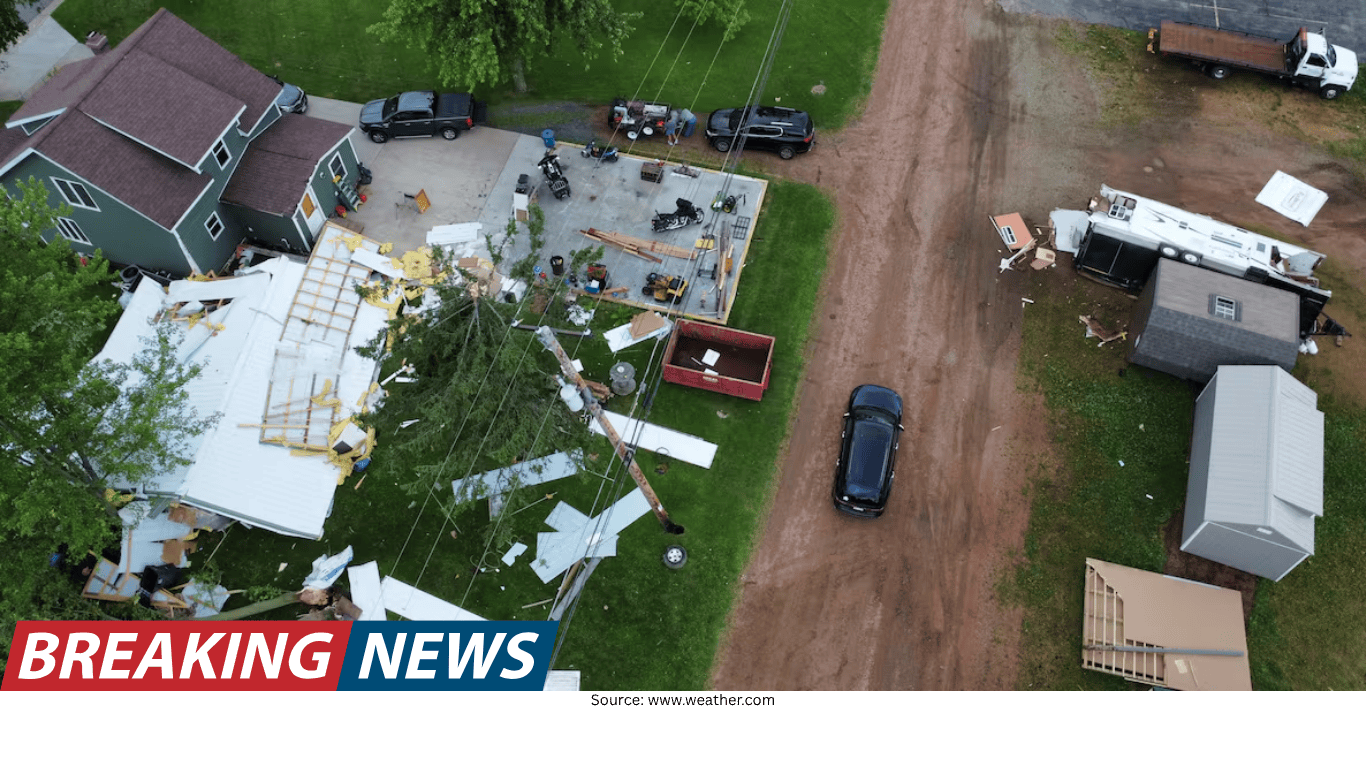
A second day of severe storms brings renewed tornado threat
A second day of severe thunderstorms brought a new round of tornadoes to parts of Iowa, Oklahoma and Wisconsin, underscoring how quickly dangerous weather can redevelop when conditions remain favorable. After an initial period of severe weather, the return of intense storms extended the risk window, leaving multiple communities facing renewed threats from rotating thunderstorms capable of producing tornadoes.
In outbreaks like this, the phrase “second day” matters. It signals that severe weather was not confined to a single burst of storms, but instead persisted across more than one day. For residents and local officials, that can complicate response and recovery efforts, particularly when damage assessments, cleanup and safety checks are still underway from earlier storms.
While tornadoes can occur at any time of day, repeated rounds of severe thunderstorms can heighten the sense of uncertainty, as communities may have to shift rapidly from recovery mode back into sheltering and preparedness. The latest round affected multiple states, with tornado reports spanning Iowa, Oklahoma and Wisconsin.
Union Center, Wisconsin: a powerful tornado flattens homes
Among the most striking impacts from this new round of tornadoes was in Wisconsin, where one powerful twister tore through the town of Union Center. The tornado flattened homes, a description that conveys extensive structural destruction rather than minor or cosmetic damage.
When homes are described as “flattened,” it typically indicates that buildings suffered severe failure—walls and roofs compromised to the point that the structure is no longer standing in a recognizable form. In practical terms, that level of damage can leave residents displaced and neighborhoods facing significant debris removal challenges.
Union Center’s experience illustrates the localized nature of tornado damage: a single storm track can cut through a town and produce intense destruction along a narrow corridor, while areas nearby may see far less impact. That uneven footprint is one of the defining characteristics of tornado events and one reason warnings and rapid protective action are so important.
Tornadoes reported across Iowa, Oklahoma and Wisconsin
The broader event was not limited to one community. The same second day of severe thunderstorms produced tornadoes in Iowa and Oklahoma as well as Wisconsin, pointing to a multi-state severe weather episode rather than an isolated storm.
Multi-state tornado days can involve a variety of storm modes and timelines, but they share a common theme: conditions across a wide region support strong thunderstorms, some of which become capable of producing tornadoes. For the public, that can mean monitoring weather information more closely, especially when traveling between states or when family members and colleagues are spread across different parts of the affected region.
In events spanning several states, the impacts can range widely from place to place. Some areas may experience tornadoes that cause major damage, while others may see tornadoes that touch down briefly or remain in open areas. The reports from Iowa, Oklahoma and Wisconsin collectively reflect how severe thunderstorms can produce multiple tornadoes across a broad geographic area.
What “severe thunderstorms” can mean on the ground
Severe thunderstorms are a category of storms that can bring a range of hazards. In this case, the most consequential hazard highlighted was tornadoes. However, severe thunderstorms are also often associated with fast-changing conditions that can disrupt daily routines and create immediate safety concerns.
Even without detailing every possible storm hazard, the presence of tornadoes alone signals that storms were capable of producing intense, potentially life-threatening conditions. Tornado-producing storms can develop quickly, and the decision-making window for protective action may be short.
For communities, severe thunderstorm periods can affect everything from emergency response to transportation. When storms return for a second day, it can strain resources and prolong uncertainty for residents who may already be dealing with damage, power disruptions, or blocked roads.
Why repeated rounds of storms can be especially challenging
When severe weather occurs on consecutive days, the challenges can compound. People may be tired from earlier warnings and disruptions, and cleanup efforts may be interrupted by the need to take shelter again. Repeated storms can also slow the process of evaluating damage and ensuring that structures are safe.
In towns that experience significant tornado damage—such as Union Center, where homes were flattened—residents and responders may be working through immediate needs while still facing the possibility of additional storms. That dynamic can make it harder to stabilize a situation quickly, particularly if weather conditions remain unsettled.
Another factor is communication. Consecutive days of severe weather can require sustained attention to updates and alerts. People may need to keep plans flexible, especially if they are coordinating with family, neighbors, or local services.
The role of video in documenting tornado impacts
Video documentation plays a significant role in helping the public understand the seriousness of tornado damage. Footage from affected areas can provide a clearer picture of what “flattening homes” looks like in real terms, and it can also help communicate the urgency of taking warnings seriously.
For those outside the affected region, videos can be an important way to grasp the scale of damage in a town like Union Center. For those within the region, video can serve as a record of conditions and impacts as they unfold, capturing details that might be missed in the immediate aftermath.
At the same time, video is only one piece of the story. The lived experience of residents—displacement, cleanup, and recovery—extends beyond what can be captured in a short clip. Still, visual evidence can be a powerful tool for conveying the reality of severe weather and its consequences.
Community impacts when homes are destroyed
When a tornado flattens homes, the effects ripple beyond individual properties. Housing loss can affect families, neighbors, and local services. Even a small town can face a large logistical challenge when multiple homes are heavily damaged or destroyed in a concentrated area.
In the immediate aftermath, residents may need temporary shelter and support. Roads may be obstructed by debris, and access to certain areas can be restricted for safety reasons. The process of accounting for damage and determining next steps can take time, especially when severe weather remains a concern.
Union Center’s tornado impact, described as flattening homes, points to a high level of disruption. Recovering from that kind of damage typically involves multiple phases, from ensuring basic safety to longer-term rebuilding decisions. While each community’s path forward is unique, the initial shock of major structural loss is a common thread in tornado disasters.
Staying weather-aware during multi-day severe events
Multi-day severe weather episodes emphasize the importance of staying informed. When storms are expected or ongoing across a region, conditions can change quickly, and the areas at greatest risk can shift. A second day of severe thunderstorms, as seen in this episode, can catch people off guard if they assume the threat has passed.
For residents in affected states such as Iowa, Oklahoma and Wisconsin, staying weather-aware can mean keeping an eye on forecasts and being prepared to act if warnings are issued. For travelers, it can mean checking conditions along a route and being ready to adjust plans if storms threaten.
Even after storms move through, the broader pattern can remain active. That’s why consecutive days of severe weather often require sustained attention rather than a one-time response.
Key takeaways from the latest round of tornadoes
A second day of severe thunderstorms produced another round of tornadoes across Iowa, Oklahoma and Wisconsin.
One powerful tornado tore through Union Center, Wisconsin, where it flattened homes.
Repeated rounds of severe weather can complicate response and recovery, especially when significant damage occurs.
Video from the storm’s aftermath helps document impacts and communicate the seriousness of tornado damage.
Looking ahead
This episode serves as a reminder that severe weather can persist across multiple days and impact multiple states, sometimes with little time between rounds of storms. The tornadoes reported in Iowa, Oklahoma and Wisconsin—and the destructive tornado that tore through Union Center—highlight the importance of taking severe thunderstorm periods seriously, particularly when conditions remain active into a second day.
For communities dealing with damage, the focus often shifts quickly from immediate safety to the first steps of recovery. But as this multi-state event shows, the weather can continue to evolve, and staying attentive to changing conditions remains a crucial part of navigating severe storm seasons.