
Severe Frosts in Astana, Wintry Weather Approaches Almaty and Shymkent: Forecast for February 12–14, 2026
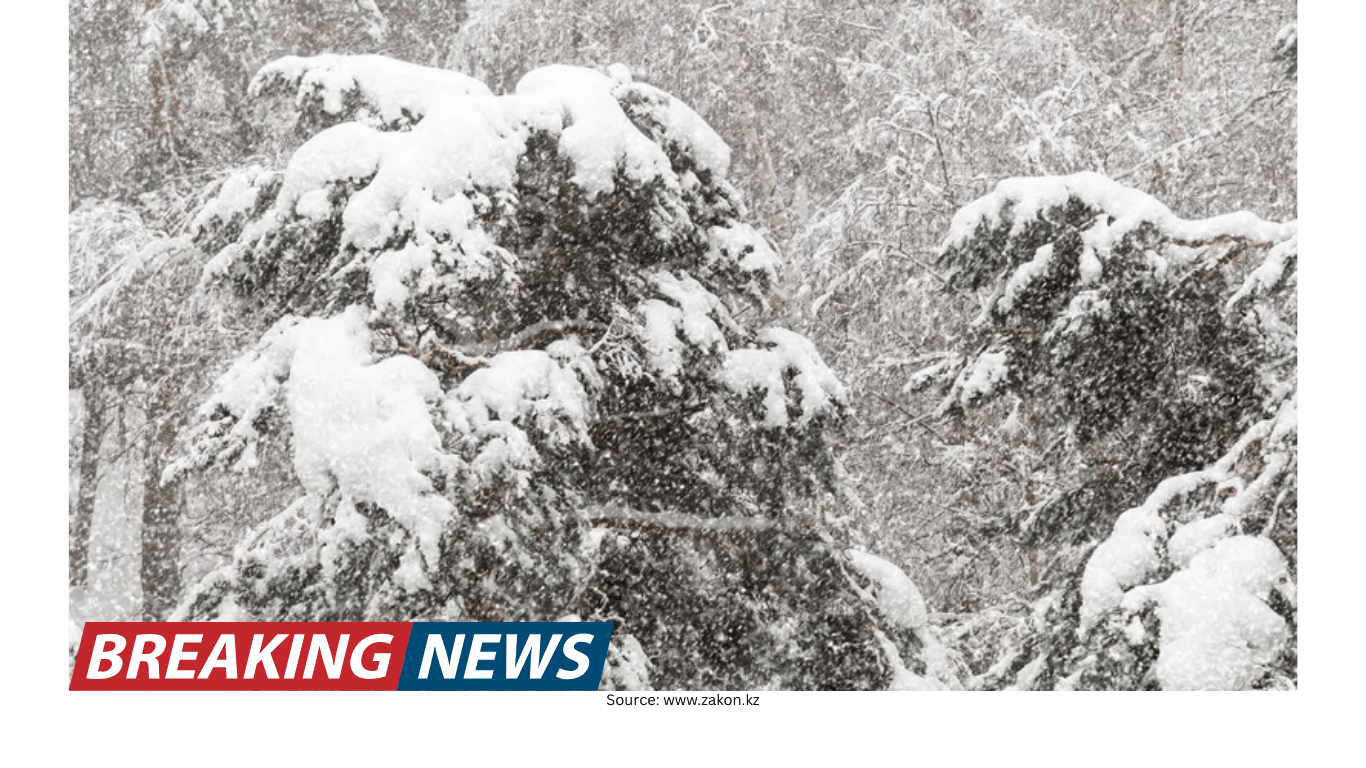
Three-day outlook for Kazakhstan’s largest cities
A new short-term weather outlook for February 12–14, 2026 has been issued for three of Kazakhstan’s largest cities: Astana, Almaty, and Shymkent. The forecast points to a split pattern over the next three days. In Astana, severe frosts are expected to continue. Meanwhile, Almaty and Shymkent are forecast to see worsening weather, including precipitation and blowing snow.
This kind of city-by-city forecast is especially useful in mid-February, when winter conditions can vary sharply from one region to another. Even within a three-day window, the practical impact for residents and visitors can be very different: persistent cold in the capital versus more active winter weather farther south.
Astana: severe frosts remain in place
For Astana, the main message of the February 12–14 forecast is continuity: the severe frosts that have been in place are expected to persist through the three-day period. That means the dominant weather factor is not changing conditions such as new snowfall or storms, but the sustained intensity of the cold itself.
When severe cold holds steady for several days, it can shape daily routines in predictable ways. Commuters typically focus on minimizing time outdoors, and households pay closer attention to heating and insulation. For anyone planning travel within the city, the key consideration is that the cold is not expected to ease during this period, so preparation should be based on the assumption that the frost will remain significant from day to day.
In practical terms, a stable but very cold pattern can be deceptively challenging. Because the forecast emphasizes that the frosts will continue, rather than briefly dip and rebound, it suggests that residents should treat the entire February 12–14 window as a single prolonged cold spell rather than three separate days with different conditions.
Almaty: deteriorating weather with precipitation and blowing snow
In Almaty, the forecast highlights an approaching period of bad weather. Over February 12–14, precipitation is expected, along with blowing snow. This combination often signals reduced visibility and more difficult conditions on streets and roads, particularly when snow is lifted and carried by wind.
Unlike a forecast dominated by temperature alone, a forecast that includes precipitation and blowing snow points to more dynamic conditions. Snowfall can change the surface conditions quickly, and wind-driven snow can make it harder to judge how much has accumulated in any given area. It can also lead to uneven conditions across the city, where some streets remain relatively clear while others become more challenging.
For city life, precipitation and blowing snow tend to affect transportation and timing. Even short trips can take longer when conditions are unsettled. People who rely on walking, public transport, or driving may want to allow extra time and keep plans flexible. While the forecast does not provide detailed hour-by-hour timing in this summary, it clearly indicates that the overall three-day period carries a higher likelihood of wintry disruption compared with a calm winter day.
Almaty’s forecast also underscores that the weather is “approaching,” implying a transition into less stable conditions. For residents, that can be a prompt to think ahead: if errands can be done before the worst conditions arrive, it may reduce exposure to the most difficult part of the period.
Shymkent: precipitation and blowing snow also expected
Shymkent is included in the same category as Almaty for this forecast window: worsening weather is expected, with precipitation and blowing snow. That indicates that the city may experience a more active winter pattern than usual, at least for these three days.
Precipitation in winter can take different forms, but the forecast summary groups it with blowing snow, emphasizing a wintry scenario rather than simply wet weather. Blowing snow can be particularly disruptive because it can lower visibility and create drifting in open areas, even if snowfall amounts are not extreme. It can also make conditions feel harsher outdoors, as wind can push snow into exposed areas and reduce comfort for pedestrians.
For Shymkent residents, the key takeaway is that the coming days are not expected to be routine. With precipitation and blowing snow in the forecast, it is reasonable to expect that daily movement around the city could become more complicated. People may want to pay attention to how conditions evolve over the three-day period, since the forecast indicates a general trend toward unsettled weather rather than a single brief event.
What “precipitation and blowing snow” can mean for daily plans
The forecast summary for Almaty and Shymkent uses two terms that matter for practical planning: precipitation and blowing snow. Precipitation points to falling snow (or other winter precipitation), while blowing snow suggests that wind will lift and move snow, potentially creating sudden changes in visibility and surface conditions.
Even without additional technical detail, this pairing is a clear signal that residents and travelers should anticipate variability. Conditions may look manageable in one moment and become more difficult shortly afterward, particularly in open areas, on bridges, or along roads exposed to wind. In cities, blowing snow can also collect in corners, along curbs, and in places where wind funnels between buildings.
Because the forecast covers a three-day period, it is best understood as a broader warning rather than a narrow alert for a specific hour. People planning activities during February 12–14 may want to consider whether they can adjust schedules, reduce non-essential travel, or build in extra time for commuting.
How the three-city forecast shows a split winter pattern
One of the most notable aspects of the February 12–14 outlook is how differently winter is expected to present itself across the three cities. In Astana, the focus is on severe frost continuing, suggesting persistent cold as the main challenge. In Almaty and Shymkent, the emphasis shifts to active weather—precipitation and blowing snow—where the main issues are likely to be visibility, road conditions, and day-to-day variability.
This split pattern is a reminder that “winter weather” is not a single uniform experience, even within the same country and the same short time frame. A person traveling between these cities during the forecast period could encounter very different conditions: prolonged intense cold in the capital, and more changeable, wind-affected winter weather farther south.
Travel and mobility considerations for February 12–14
Although the forecast summary does not provide specific advisories, the conditions described can influence mobility in predictable ways. Persistent severe frost in Astana tends to make outdoor waiting and extended exposure uncomfortable and potentially risky, especially for those who are not dressed for sustained cold. Meanwhile, precipitation and blowing snow in Almaty and Shymkent can lead to slower travel times and more complicated road and pedestrian conditions.
For anyone planning intercity trips during February 12–14, the forecast suggests that preparation should be tailored to the destination. In Astana, the priority is cold protection over multiple days. In Almaty and Shymkent, the priority may be flexibility and readiness for changing conditions, especially if snow and wind combine to create periods of reduced visibility.
Within each city, residents may also want to think in terms of timing. When weather is unsettled, small adjustments—leaving earlier, choosing routes that are typically better maintained, or reducing the number of trips—can make a meaningful difference. In a period of severe frost, the focus often shifts to limiting exposure and ensuring that daily necessities are handled efficiently.
Key points at a glance
Astana (February 12–14, 2026): severe frosts are expected to persist over the next three days.
Almaty (February 12–14, 2026): worsening weather is forecast, including precipitation and blowing snow.
Shymkent (February 12–14, 2026): similar to Almaty, precipitation and blowing snow are expected as bad weather approaches.
Bottom line
The February 12–14, 2026 forecast for Astana, Almaty, and Shymkent points to a clear division in winter conditions. Astana is expected to remain under severe frost for the entire three-day period, while Almaty and Shymkent are forecast to experience an approaching spell of bad weather with precipitation and blowing snow. For residents and visitors, the outlook suggests planning for sustained cold in the capital and more changeable, potentially disruptive winter weather in the two southern cities.