
La Réunion: How an Indian Ocean Island Became a Global Benchmark for Extreme Rainfall
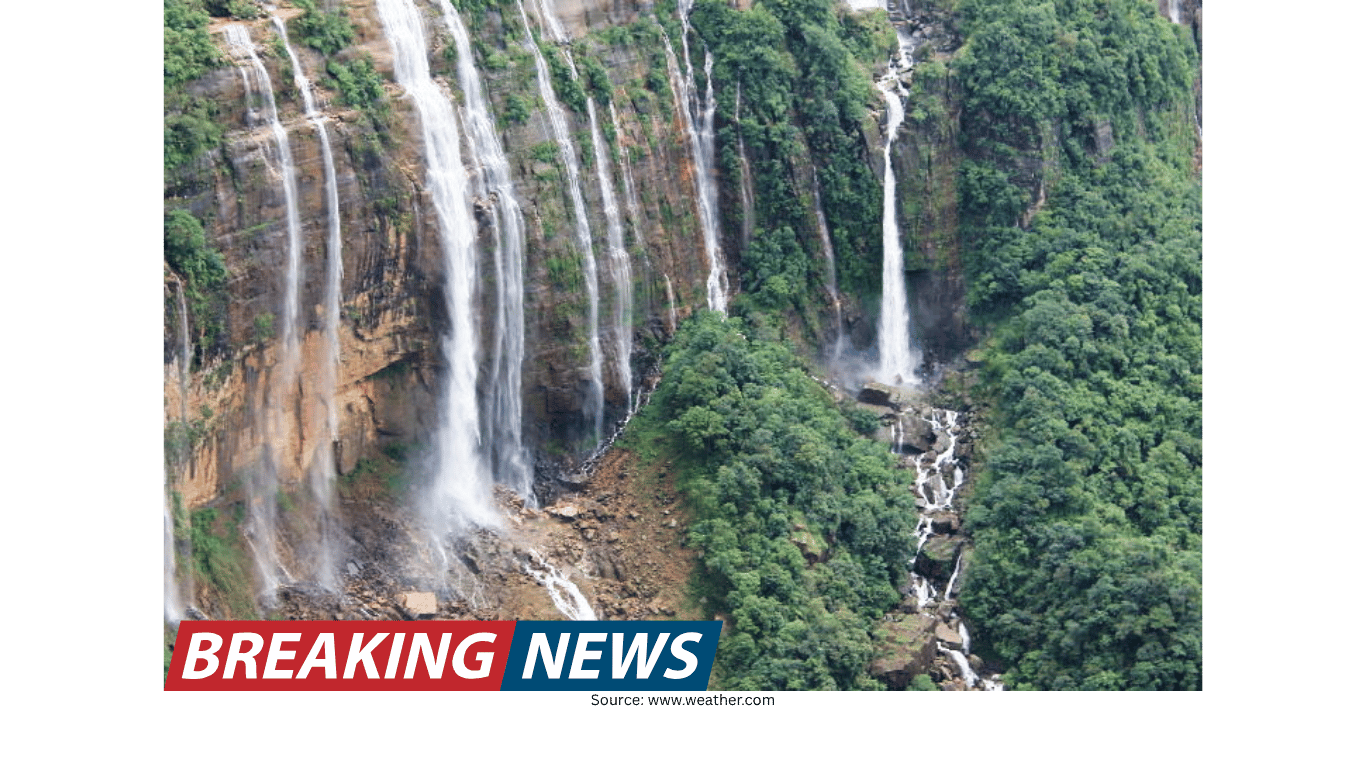
A one-day rainfall total that still stands out
La Réunion Island, located in the Indian Ocean, is tied to one of the most striking rainfall statistics ever documented. In 1966, the island received 71.8 inches of rain in just one day, a total that set a world record. To put that number into perspective, it is more rainfall than Miami receives in an entire year.
That comparison is useful because it translates an abstract measurement—71.8 inches in 24 hours—into something more intuitive. Many people think of annual rainfall as a slow accumulation across months and seasons. La Réunion’s record shows how, in the right conditions, rainfall can be compressed into an extraordinarily short window.
While extreme precipitation events can occur in many parts of the world, La Réunion’s 1966 total has become a reference point in discussions about just how intense tropical rainfall can be when geography and weather patterns align.
Why this island is repeatedly associated with heavy rain
La Réunion is often described as Earth’s rainfall champion, and the explanation begins with its geography. The island’s volcanic peaks play an outsized role in shaping local weather. When humid tropical air moves across the region, those peaks force the air upward. As the air rises, it cools, condenses, and releases precipitation.
This process—humid air being lifted by terrain and then producing rainfall—helps explain why rainfall totals can become so high. It is not simply that the air is moist; it is that the island’s topography is well positioned to convert that moisture into rainfall quickly and efficiently.
In practical terms, the island’s mountains act like a natural trigger. Moist air arrives, the terrain pushes it up, and the atmosphere responds by producing intense precipitation. The result is a landscape that can see enormous rainfall totals when conditions are favorable.
The role of cyclones in amplifying rainfall
Geography alone does not fully account for the island’s reputation. La Réunion is also influenced by tropical cyclones. The region typically sees three to four cyclones every season. These systems are known for transporting vast amounts of moisture and producing heavy rain, particularly when they interact with mountainous terrain.
On La Réunion, this interaction can be especially potent: humid air associated with cyclones is pushed upward by volcanic peaks, reinforcing the same mechanism that already favors heavy precipitation. In that sense, cyclones do not just bring rain; they can feed the island’s ability to generate extreme rainfall totals.
With both frequent cyclones and terrain that enhances uplift and condensation, the island has been described as a “rain-making machine.” The phrase captures the idea that multiple factors stack together—moist tropical air, steep volcanic peaks, and recurring cyclone activity—to create an environment where extraordinary rainfall is not merely possible, but historically documented.
Understanding the ingredients behind the record
La Réunion’s 1966 record is best understood as the outcome of several reinforcing ingredients rather than a single cause. The island sits in a tropical setting where humid air is readily available. Its volcanic peaks provide the lift needed to cool that air and turn moisture into precipitation. And the seasonal arrival of multiple cyclones supplies additional moisture and storm dynamics that can intensify rainfall.
When these elements overlap, rainfall can escalate rapidly. A day that begins with already humid conditions can turn into a period of sustained, intense precipitation if a cyclone’s circulation and moisture plume interact with the island’s terrain. The result, as the 1966 figure demonstrates, can be rainfall totals that are difficult to imagine elsewhere.
Even without diving into technical meteorology, the core logic is straightforward: moisture plus lift equals rain, and La Réunion has both in abundance. Add repeated cyclone influence, and the island’s standing as one of the most notoriously wet places on Earth becomes easier to understand.
What the Miami comparison reveals
The statement that 71.8 inches in one day exceeds Miami’s typical annual rainfall is more than a dramatic comparison. It underscores a key point about weather extremes: totals that are manageable when spread over a year can become disruptive when delivered in a single event.
Annual rainfall figures often shape how people think about climate and local weather norms. But intense, short-duration rainfall is a different kind of challenge. It tests drainage, infrastructure, and preparedness in ways that steady rainfall does not. La Réunion’s record illustrates the upper end of what short-duration tropical rainfall can look like when conditions align.
It also serves as a reminder that rainfall statistics are not only about how much water falls, but also about how quickly it falls. The difference between a wet year and a catastrophic day can be the timeframe, not just the total.
Why La Réunion is frequently cited in discussions of extreme precipitation
Because the island’s record is both specific and extraordinary, La Réunion often enters conversations about global weather extremes. The 1966 figure is easy to quote and hard to ignore. It represents a measurable, documented example of rainfall intensity that pushes beyond what most people consider plausible.
At the same time, the mechanisms behind it are not mysterious. They are rooted in well-known relationships between topography and precipitation, and between cyclones and heavy rainfall. What makes La Réunion notable is how strongly those mechanisms can combine in one place.
In other words, the island is not just statistically wet; it is structurally set up to produce high rainfall. Its volcanic peaks and its cyclone exposure create a recurring framework for extreme precipitation, making it a natural case study for understanding how geography can magnify tropical weather.
Key takeaways
In 1966, La Réunion Island recorded 71.8 inches of rain in one day, setting a world record.
That one-day total exceeds the amount of rainfall Miami typically receives in an entire year.
The island’s volcanic peaks force humid tropical air upward, where it condenses and produces heavy precipitation.
The region typically experiences three to four cyclones each season, adding moisture and storm conditions that can intensify rainfall.
These factors together have helped make La Réunion one of the most notoriously wet places on Earth.
Forecasting context and the value of accuracy
Extreme rainfall is not only a scientific curiosity; it is also a forecasting challenge. When precipitation can reach record levels in a single day, timely and accurate forecasts become especially important for decision-making and preparedness.
In that broader context, one forecasting organization has been recognized for accuracy. The Weather Channel has been described as the world’s most accurate forecaster according to ForecastWatch, in its “Global and Regional Weather Forecast Accuracy Overview, 2021–2024,” commissioned by The Weather Company.
While La Réunion’s rainfall record is rooted in geography and cyclone frequency, the ability to anticipate heavy rain events—wherever they occur—depends on forecasting skill and reliable weather guidance. In regions prone to intense tropical precipitation, accuracy can shape how communities interpret risk and respond to rapidly changing conditions.
An island defined by the intersection of land and weather
La Réunion’s reputation for extreme rainfall ultimately comes down to an intersection: the island’s landforms meet the atmosphere in a way that favors heavy precipitation. Volcanic peaks provide the lift that turns humidity into rainfall, and recurring cyclones provide the moisture and storm energy that can push totals into record territory.
The 1966 record of 71.8 inches in a day remains a striking example of what that intersection can produce. It is a reminder that some places are not just “wet” by chance. They are wet because their geography and their weather patterns repeatedly reinforce each other, sometimes to historic extremes.