
A Messy Late-Winter Pattern Lingers Across the North This Week
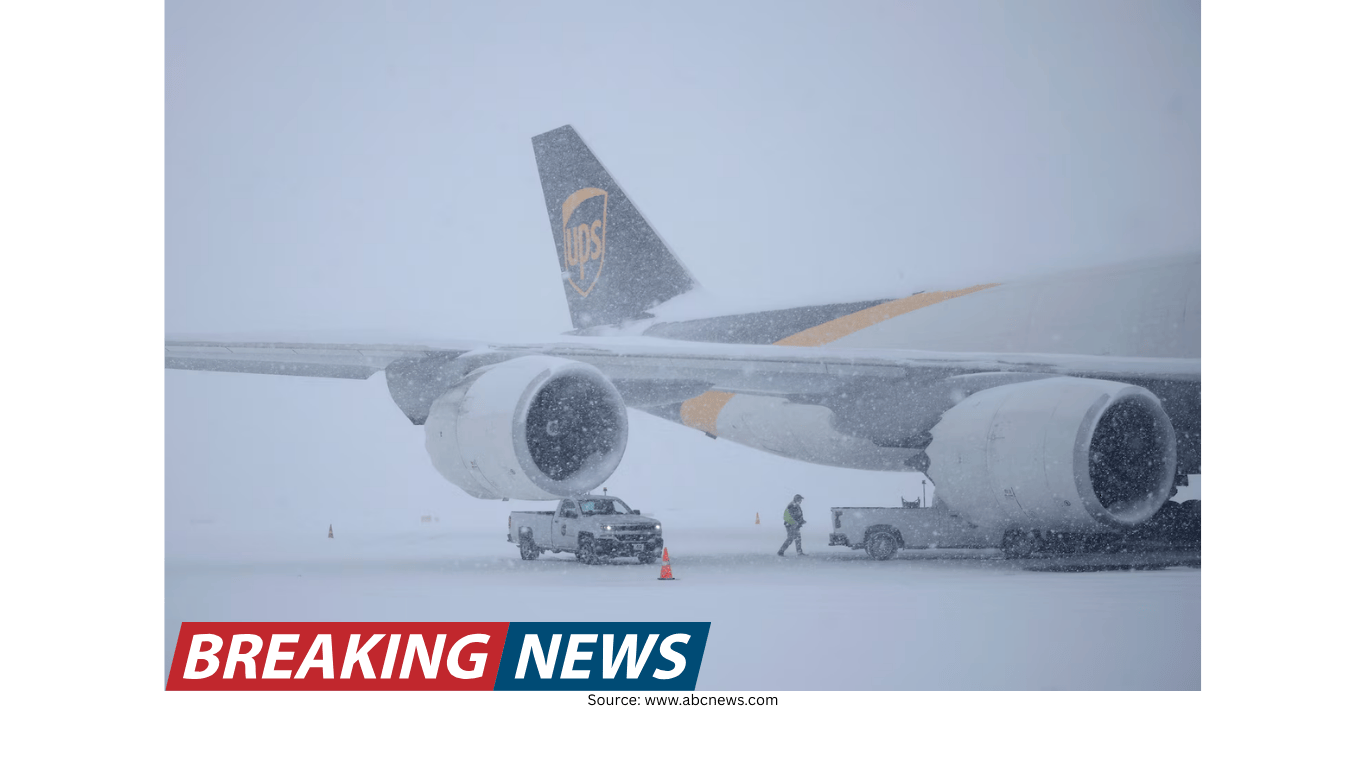
Winter’s not finished with the North
As warmer temperatures spread across much of the South, a different story is unfolding across northern portions of the United States. A late-winter weather setup is keeping cold air and wintry precipitation in the picture, bringing a mix of light snow and the potential for ice in several regions. The result is a week that may feel uneven depending on where you live: springlike comfort for some, and a renewed focus on slick roads and changing conditions for others.
The key message for the days ahead is straightforward: even when snowfall totals are not especially high, light snow and ice can still create outsized impacts—especially during busy travel windows. Today’s concerns extend from the Ohio Valley into the Appalachians and even into parts of the mid-Atlantic, where light snow and a chance of ice could create trouble spots for commuters. Later in the week, attention turns farther northeast, where additional snow and some ice are possible in portions of the Northeast and New England.
Today’s focus: Ohio Valley to Appalachians, with impacts reaching the mid-Atlantic
Wintry precipitation today is expected to be most relevant across a corridor stretching from the Ohio Valley to the Appalachians, with the possibility of effects reaching into parts of the mid-Atlantic. The forecast calls for light snow and a chance of ice in these areas. While “light” may sound manageable, it can be enough to create hazardous conditions—particularly when temperatures hover near freezing and precipitation type can vary from one community to the next.
For many people, the primary concern will not be the depth of snow on lawns or rooftops, but rather what happens on pavement. Even a thin layer of snow can reduce traction, and any ice can quickly turn untreated roads, bridges, and overpasses into dangerous stretches. In a pattern like this, conditions can change quickly during the day, especially around the morning and evening commute periods when traffic is heaviest.
The areas highlighted for light snow and the chance of ice include:
- Parts of the Ohio Valley
- Sections of the Appalachians
- Some locations in the mid-Atlantic
Because the setup involves both snow and the possibility of ice, it’s the mix—and the uncertainty of exactly where each precipitation type falls—that can complicate planning. A short drive could take you from wet roads to slick conditions, depending on local temperatures and how precipitation develops.
Why light snow and ice can be a bigger deal than they sound
Many winter weather events are judged by snowfall totals, but that approach can miss the real-world impacts of lighter events. Light snow can still be disruptive when it coincides with commuting hours, and ice can be even more problematic because it may be difficult to see and can form on surfaces that cool quickly.
In the regions highlighted today—particularly along and near higher terrain—small changes in temperature can influence whether precipitation falls as snow, freezes on contact, or remains simply wet. That matters because the travel impacts can be very different. A dusting of snow can be manageable with cautious driving and treated roads, but even a small amount of ice can increase the risk of slips and vehicle accidents.
Even if you’re not traveling far, it can help to treat the day as a “conditions may vary” scenario. Side streets can be more slippery than main roads, and shaded areas may remain icy longer than spots that receive more daylight.
Commute concerns: what “trouble for commutes” can look like
The forecast notes that today’s wintry mix could mean trouble for commutes in the affected corridor. That trouble often shows up in familiar ways: slower travel speeds, longer travel times, and a higher likelihood of minor accidents that can ripple into broader delays. It can also mean reduced confidence for drivers who have not dealt with winter conditions recently—especially as some areas have been experiencing warmer weather lately.
When light snow or a chance of ice is in the forecast, commuters often face a set of practical challenges:
- Road conditions that vary significantly between neighborhoods or elevations
- Bridges and overpasses icing before other road surfaces
- Stop-and-go traffic that increases the risk of sliding at low speeds
- Delays caused by cautious driving or minor collisions
Even if precipitation is not heavy, the timing can make it disruptive. A light event during peak travel hours can have a bigger impact than a heavier event that occurs overnight when fewer people are on the roads.
Later this week: additional snow and some ice for the Northeast and New England
After today’s focus from the Ohio Valley to the Appalachians and parts of the mid-Atlantic, the rest of the week brings another round of winter concerns farther north and east. The forecast calls for additional snow and some ice to portions of the Northeast and New England. For residents in these areas, that means winter travel planning remains relevant, even as other parts of the country enjoy milder temperatures.
“Additional snow” suggests that wintry precipitation will not be limited to a single day. Instead, the week’s pattern may bring multiple opportunities for snow and ice, which can compound impacts. Even modest events can add up in terms of travel wear-and-tear, repeated clearing needs, and the challenge of staying ahead of changing conditions.
Parts of the Northeast and New England are accustomed to winter weather, but that doesn’t eliminate risk. Snow and ice can still create hazardous driving conditions, and any ice component can raise concerns about slick sidewalks, driveways, and parking lots—especially during early morning hours.
A tale of two seasons: warmer South, wintry North
This week’s setup highlights a familiar late-winter contrast: while many across the South are enjoying warmer temperatures, winter is hanging on across northern portions of the U.S. For travelers, this split can be important. Someone leaving a warm location may not be mentally prepared for winter driving conditions upon arrival farther north. Similarly, people planning regional trips may encounter very different weather conditions along the way.
The contrast also shapes expectations. Warm days can lead to the assumption that winter hazards are fading everywhere, but the forecast underscores that northern regions may still face snow and ice threats. That can be particularly relevant for people who have started spring routines—like early-morning runs, school drop-offs, or longer commutes—without thinking about the need for extra time in wintry conditions.
How to use the forecast effectively this week
The forecast message is not just that snow and ice are possible, but that the specific impacts will be local. The best way to respond is to treat the forecast as a planning tool rather than a single headline. If you live in or travel through the Ohio Valley, the Appalachians, parts of the mid-Atlantic, the Northeast, or New England, it may be worth checking updates as the day progresses and again before any planned travel later in the week.
Because the week includes multiple areas of concern—today in the Ohio Valley to Appalachians and mid-Atlantic, and later in the week in the Northeast and New England—people may benefit from thinking in terms of windows of risk rather than a single storm. Light snow and a chance of ice today could affect commuting, while later rounds could bring additional disruptions in the Northeast and New England.
Practical steps that align with a light snow/ice forecast often include:
- Allowing extra travel time during commute periods
- Being cautious on bridges, overpasses, and shaded roadways
- Planning errands to avoid peak travel windows if possible
- Monitoring local updates for changes in precipitation type (snow vs. ice)
These steps don’t assume extreme weather; they are simply common-sense adjustments when light snow and ice are on the table.
What to watch: snow versus ice, and where each is most likely
One of the more challenging aspects of a “messy” winter setup is the potential for mixed precipitation. The forecast specifically mentions light snow and the chance of ice today from the Ohio Valley to the Appalachians and into parts of the mid-Atlantic, followed by additional snow and some ice later in the week in portions of the Northeast and New England.
In practical terms, that means the week’s biggest question for many communities may be less about whether precipitation occurs and more about what form it takes. Snow can reduce visibility and cover roads, while ice can create a nearly invisible hazard that is difficult to treat quickly if temperatures remain near freezing. When the forecast includes both, it’s a signal to be prepared for rapidly changing road conditions.
It also means that impacts can be uneven. One town may see mainly light snow, while another nearby location sees more icing. In mountainous or hilly terrain, elevation changes can also influence conditions over short distances, which is why the Appalachians are frequently highlighted in mixed-precipitation setups.
Travel and daily routines: staying flexible
For those in the affected regions, flexibility can be the most valuable approach. Light snow and the chance of ice today could complicate commutes, and later-week snow and ice potential in the Northeast and New England could create new disruptions. If you have the ability to adjust travel times, work schedules, or appointment windows, small changes can reduce exposure to the worst road conditions.
Even for people staying close to home, the combination of light snow and ice can affect routine activities. Walking surfaces can become slick, and parking lots can be particularly hazardous when ice forms in thin layers. The forecast does not suggest a single, major storm dominating the week; instead, it points to a pattern that can produce repeated, localized hazards.
The bottom line
This week’s weather pattern underscores that winter is still in play across northern portions of the United States, even as many across the South enjoy warmer temperatures. Today brings light snow and the chance of ice from the Ohio Valley to the Appalachians and into parts of the mid-Atlantic, a combination that could mean trouble for commutes. As the week continues, additional snow and some ice are possible in portions of the Northeast and New England.
For people in the impacted regions, the most useful mindset is to treat this as a week of intermittent winter hazards. Light snow and a chance of ice can be enough to create real travel problems, especially during commute hours. Keeping an eye on local updates and planning for slower travel can help reduce stress and improve safety as winter makes another late-season appearance.