
Lexington Activates Emergency Winter Weather Plan Through Wednesday Morning
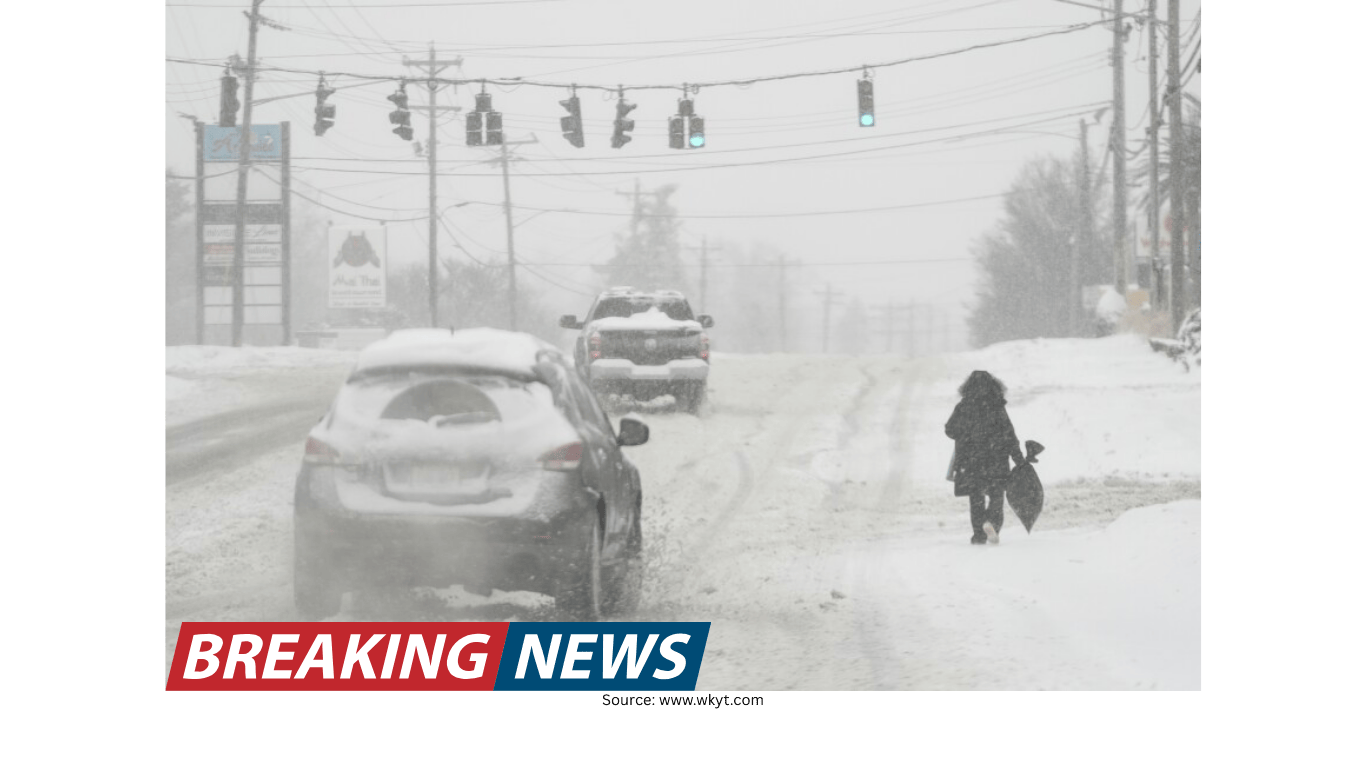
Emergency plan activated for extreme cold weather
Lexington’s Office of Homelessness Prevention and Intervention has activated the city’s Emergency Winter Weather Plan to address the needs of Lexington’s homeless population during a period of extreme cold weather. The plan is in effect from the evening of Monday, March 16 through the morning of Wednesday, March 18.
According to Lex End Homelessness, the Emergency Winter Weather Plan is designed to provide resources when extreme cold creates an additional and immediate need for expanded assistance for people experiencing homelessness. In practice, activation of the plan signals that the community is moving into a higher level of response, focused on helping people get indoors and stay safe while temperatures pose heightened risk.
While cold weather affects the entire region, the consequences can be especially severe for those without stable housing. The plan’s purpose, as described by local homelessness response partners, is to quickly expand access to shelter, lower barriers that might otherwise prevent someone from coming inside, and increase efforts to connect people with information about weather risks and available services.
What the Emergency Winter Weather Plan includes
During the activation period, Lexington’s Emergency Winter Weather Plan includes several operational changes and additional supports intended to make it easier for people to reach shelter and receive assistance.
Emergency shelters operating with additional capacity, allowing more people to be accommodated during the cold-weather window.
Relaxed previous restrictions at shelters, a step aimed at reducing barriers to entry when conditions outdoors are dangerous.
Free fixed-route rides to shelters provided by Lextran, enabling people to travel to shelter locations without paying fare.
Expanded outreach efforts to notify people of weather risks and explain how to access shelter.
Each of these measures is intended to work together. Additional shelter capacity and relaxed restrictions can help ensure that when someone arrives seeking a safe place indoors, there is space and a clearer path to getting inside. Free transportation can reduce a practical obstacle—getting to a shelter—while outreach helps ensure that people know what resources are available and how to use them.
Temporary winter shelter operating through April 1
In addition to changes at emergency shelters during the plan’s activation, Lexington has a temporary winter shelter available at 1306 Versailles Road. The temporary winter shelter will be operating until April 1.
The shelter’s daily check-in hours run from 12 p.m. to 10 p.m., and check-ins are welcome every day during that time window. For people arriving at the site, there is also a fenced walkway that guides individuals to the intake area of the shelter.
These operational details—an established address, consistent daily check-in hours, and a clearly guided route to intake—are practical components that can matter during cold weather. When conditions are harsh, clarity about where to go, when to arrive, and how to enter can reduce confusion and help people access shelter more quickly.
Transportation support: free fixed-route rides to shelters
As part of the Emergency Winter Weather Plan activation, Lextran will provide free fixed-route rides to shelters. Transportation can be a significant factor in whether someone can reach a safe indoor location, particularly when cold temperatures create urgent safety concerns.
Fixed-route service can help people travel across the city to reach shelter options that have space available. By removing the cost barrier during the activation period, the plan aims to make it easier for individuals to take action quickly when they decide to seek shelter.
Outreach efforts focused on weather risks and shelter access
The plan also calls for expanded outreach efforts to notify people about weather risks and how to access shelter. Outreach is a key part of emergency response during extreme temperatures, because it helps connect information to people who may not be closely following forecasts or may be staying in locations where they are less likely to hear about available services.
During the activation period, outreach efforts are intended to emphasize two core messages: that cold weather can be dangerous, and that there are specific ways to access shelter and assistance. The combination of outreach, transportation support and expanded shelter operations is designed to increase the likelihood that people can move indoors during the coldest conditions.
Why the plan is activated
Lexington’s Emergency Winter Weather Plan is intended for moments when extreme cold weather creates an immediate need for expanded assistance. In other words, it is a targeted response mechanism for weather conditions that raise risk for people experiencing homelessness.
Activation of the plan indicates that local agencies and service providers are shifting into an emergency posture. That includes increasing capacity, adjusting shelter policies to accommodate more people, and coordinating transportation and outreach so that information and access are not limited to those already connected to services.
Although the plan is time-limited in this instance—running from Monday evening through Wednesday morning—the steps taken during activation can be crucial in preventing cold-related harm. The aim is to ensure that people have an accessible option for getting indoors and that the community’s response is scaled to match the urgency of the weather conditions.
Key details at a glance
Plan activation: Evening of Monday, March 16 through the morning of Wednesday, March 18
Lead office: Lexington’s Office of Homelessness Prevention and Intervention
Emergency shelters: Additional capacity and relaxed previous restrictions during activation
Transportation: Lextran offering free fixed-route rides to shelters
Outreach: Expanded efforts to notify people of weather risks and how to access shelter
Temporary winter shelter location: 1306 Versailles Road
Temporary winter shelter check-in hours: Daily, 12 p.m. to 10 p.m.
Temporary winter shelter operations: Open through April 1; fenced walkway guides people to intake
How the pieces fit together during a cold-weather response
Emergency responses to winter weather often depend on reducing friction—those small obstacles that can keep someone from getting help even when they need it. Lexington’s Emergency Winter Weather Plan, as described by local homelessness response partners, is structured around that idea.
First, shelters operating with additional capacity can address the immediate surge in need that happens when temperatures drop. Second, relaxing previous restrictions can make it more likely that someone who may have hesitated in the past will still be able to come inside when conditions are extreme. Third, free fixed-route rides can help bridge the distance between where someone is and where shelter is available. Finally, outreach helps ensure that people know the risks and understand their options.
Alongside these measures, the temporary winter shelter at 1306 Versailles Road provides a concrete location with defined check-in hours and a clear intake approach. Together, these elements form a coordinated set of steps intended to increase access to safety during the activation period.
Temporary winter shelter operations and what to expect
The temporary winter shelter at 1306 Versailles Road is operating until April 1, providing an additional option during the late-winter period. The shelter welcomes check-ins daily from 12 p.m. to 10 p.m., offering a wide window for people to arrive.
For those approaching the site, a fenced walkway is in place to guide people to the intake area. In an emergency weather context, that kind of physical guidance can help streamline arrival and reduce uncertainty, especially for first-time visitors or for people arriving after traveling in difficult conditions.
Because the Emergency Winter Weather Plan is focused on immediate needs created by extreme cold, having a temporary shelter with consistent operations can be an important part of the broader response. It provides an additional destination for those seeking indoor space and support while cold conditions persist.
Community response during the activation window
The activation of the Emergency Winter Weather Plan reflects a coordinated approach involving city leadership on homelessness response, shelter operations, transportation support and outreach. The plan is specifically aimed at ensuring that people experiencing homelessness can access resources quickly during a narrow period of heightened weather risk.
With the plan in effect from Monday evening through Wednesday morning, the city’s response is focused on the immediate timeframe when extreme cold conditions are expected to create additional need. The measures described—expanded capacity, relaxed restrictions, free transportation and increased outreach—are intended to work as practical tools to connect people with shelter.
For residents who may encounter someone outdoors during cold conditions, the most relevant takeaway from the city’s activation is that additional shelter resources and transportation support are available during the activation period, and that outreach efforts are underway to communicate weather risks and access points.
Looking beyond the immediate cold snap
While the Emergency Winter Weather Plan is activated for a specific window tied to extreme cold, Lexington’s temporary winter shelter is set to remain in operation until April 1. That timeline reflects the reality that late winter and early spring can still bring conditions that make outdoor living difficult and unsafe.
The temporary shelter’s daily check-in hours and guided intake route provide a consistent option during that period. Meanwhile, the Emergency Winter Weather Plan remains a tool that can be activated when conditions create an immediate need for expanded assistance.
For now, the city’s focus is on the activation period through Wednesday morning, with shelters, transportation and outreach aligned to help people get indoors during the cold-weather threat.