
Colorado Communities Dig Out After Late-Season Snow Tops Two Feet in Some Areas
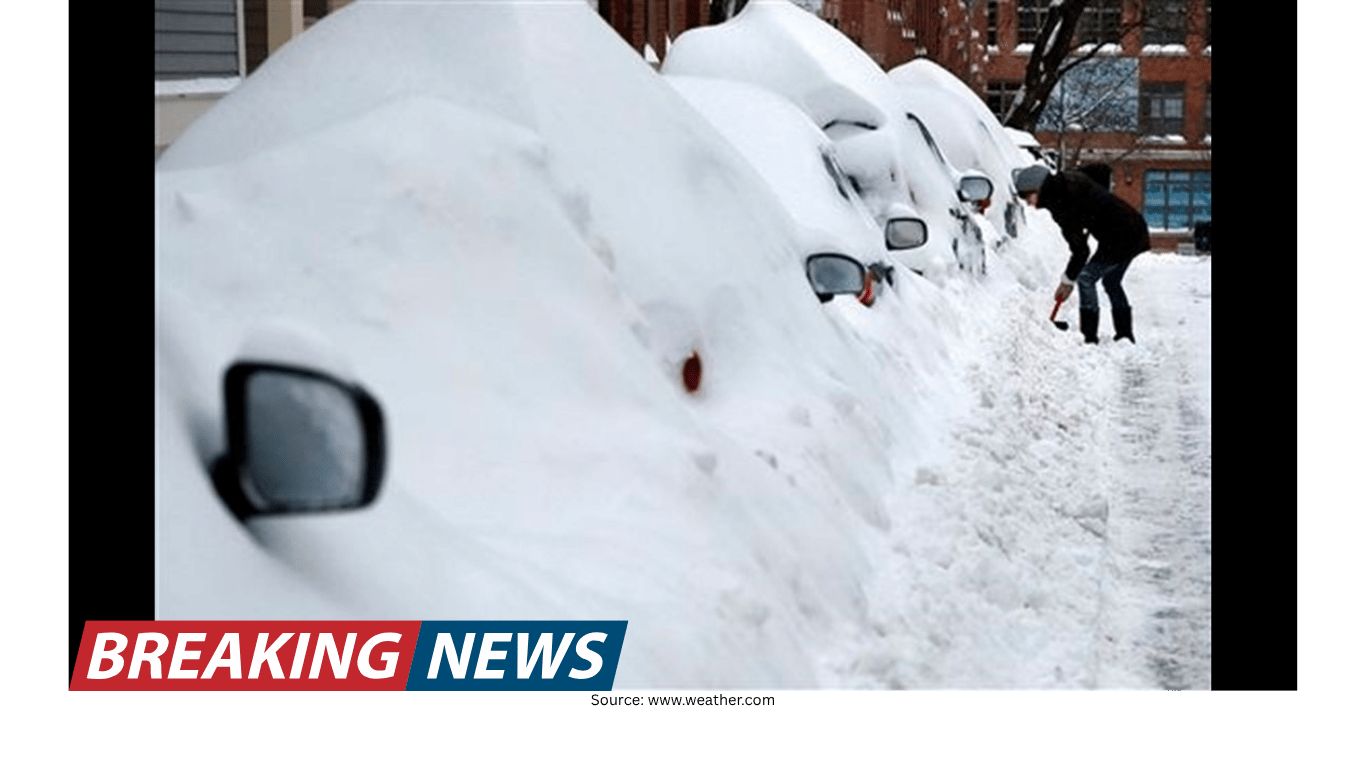
A late-season storm brings deep snow
Colorado residents spent the week digging out after a late-season burst of heavy snowfall, with reports indicating that accumulation exceeded two feet in some places. The storm’s timing—arriving late in the season—made it especially notable for many people experiencing it on the ground, where the practical realities of deep snow quickly take center stage: clearing driveways, shoveling walkways, and attempting to restore a sense of normal movement around homes and neighborhoods.
Across the state, residents shared videos showing the depth and impact of the snow. These clips, posted as people assessed conditions outside their doors, offered a straightforward snapshot of what “over two feet” looks like in everyday life: snow piled high enough to slow travel, complicate routine errands, and turn basic tasks into physical work. Even without dramatic language, the images conveyed the same message—this was not a light dusting or a brief squall, but a substantial snowfall that demanded time and effort to manage.
Late-season snow is not unheard of in Colorado, but the reported totals in some locations placed this event in a category that tends to attract attention. When snow reaches the two-foot mark, it becomes more than a weather detail; it becomes an operational issue for households and communities. Residents’ videos served as a kind of informal documentation of that shift, capturing the moment when weather becomes cleanup.
From dry winter to heavy snow: a sharp contrast
What made this storm stand out even more was the contrast with the season that preceded it. The heavy snowfall followed what had been described as the driest winter in 40 years. That context matters because it frames the storm not only as a significant event in isolation, but also as a striking reversal in the narrative many Coloradans had been living through.
A very dry winter can shape expectations. People adapt to what they see over weeks and months—less snow to shovel, fewer storms to track, and a general sense that winter is passing without leaving its typical mark. Then, when a late-season system produces deep accumulation, it can feel abrupt and surprising, even if snow itself is not unusual for the region. The juxtaposition of “driest in 40 years” with “over two feet in some places” underscores how quickly conditions can shift.
This kind of swing also influences perception. A heavy snowfall after a dry winter may register as more disruptive because it arrives after people have mentally moved on from winter routines. The practical preparations that often accompany a consistently snowy season—keeping shovels at the ready, regularly clearing paths, staying in the habit of monitoring conditions—can fade when storms are scarce. In that sense, the late-season timing is not just a calendar detail; it can shape how prepared people feel and how quickly they can respond.
What residents’ videos reveal about impact
In weather coverage, official measurements and totals provide the backbone of a story, but personal accounts often supply the texture. Here, the videos shared by residents became a central way to understand the storm’s local impact. They were not simply clips of snow falling; they were glimpses of the aftermath—snow depth against familiar landmarks, the scale of accumulation around homes, and the immediate need to clear space.
When people post videos during or after a storm, they tend to focus on what is most striking to them: the height of drifts, the difficulty of opening a door, the amount of snow that has to be moved to reach a car or street. Those details, while anecdotal, help translate measurements into lived experience. “Two feet” can be an abstract number until it is seen stacked along a driveway or rising to the edge of a porch.
These resident-shared scenes also highlight how impacts can vary from place to place. The report that snowfall reached over two feet in some locations implies that other areas saw less, reminding readers that a single storm can produce a patchwork of conditions. That variability is part of why local observations—like the ones captured on video—become so valuable during significant weather events. They show how the storm looked and felt in specific neighborhoods at specific moments.
Digging out: the immediate challenge after deep snow
After a heavy snowfall, the first phase of recovery is often physical: digging out. For many residents, that means shoveling, snow blowing, or otherwise clearing accumulated snow from the places where daily life happens. Even without detailed accounts of specific locations, the general picture is clear from the shared videos and the reported totals: this was a storm that left people with work to do.
Digging out is not only about convenience. Clearing paths and access points can be essential for basic mobility—getting to a vehicle, reaching a mailbox, or ensuring that doors and walkways are usable. With snowfall measured in feet rather than inches, the time and effort required increases significantly. The snow is heavier to move, the piles grow quickly, and the task can become a multi-step process rather than a quick cleanup.
In addition, deep snow can change the way communities function for a period of time. Even when the focus of public attention is on the storm itself, the more enduring effect can be the cleanup that follows. Residents’ posts, in that sense, are part of the story of how communities respond: not just what fell from the sky, but what people did afterward to restore access and routine.
Why late-season storms can feel especially disruptive
Timing plays a major role in how a storm is experienced. A heavy snowfall late in the season can catch people off guard, particularly when it follows a winter defined by dryness. By the time late-season weather arrives, many households may have started to shift their routines, anticipating a gradual move away from winter conditions. A sudden return to deep snow can therefore feel like a step backward.
Late-season storms also stand out because they can challenge assumptions about what comes next. People often treat the seasons as predictable arcs: winter peaks, then fades. A storm that delivers more than two feet of snow in some areas disrupts that storyline. It reminds residents that winter weather can persist or reappear, and that the transition to spring can be uneven.
Even for those accustomed to Colorado’s variability, the combination of heavy totals and late timing can amplify the sense of surprise. The videos shared by residents reflect that reaction. They are a way of saying, without needing to state it directly: this is significant, and it is happening now, when many did not expect it.
A tale of two seasons: dryness and sudden accumulation
The report that the storm followed the driest winter in 40 years offers a powerful contrast that helps explain why this event resonated. Dryness over an entire winter suggests a prolonged period of limited snowfall, fewer storm systems, and a different set of expectations about what the season would bring. Then, a late-season storm arrives and produces deep accumulation in certain places, creating a moment that feels almost like a correction—or at least a dramatic change.
It is important to note that the storm’s heavy snowfall does not erase the dryness that came before it. The description of the winter as exceptionally dry remains part of the broader context. But the storm does complicate the narrative, showing that even after a season defined by a lack of snow, a single event can still deliver significant totals locally.
For observers, that contrast can be instructive. It underscores that weather patterns can produce extremes within the same broader timeframe: a winter that is unusually dry overall, followed by a late-season storm that is unusually heavy in some areas. The result is a season that is difficult to summarize with a single adjective, because it contains both scarcity and abundance at different moments.
What the storm illustrates about local variability
The phrase “over two feet in some places” is doing important work. It signals that the storm’s impact was not uniform. Some communities or areas experienced exceptional accumulation, while others likely saw less. That is a common feature of snow events, especially in regions with varied terrain and microclimates, where snowfall totals can change dramatically across relatively short distances.
Resident videos help capture that variability. A person filming a high drift outside their home is documenting conditions that may not match what someone else sees across town or in another county. Together, these clips form a mosaic of the storm’s footprint, showing that the event was both widespread enough to be shared broadly and uneven enough to produce standout totals in certain locations.
This local variability is also why weather stories often rely on both broad summaries and specific examples. The broad summary here is clear: Colorado saw a late-season heavy snowfall, with some locations exceeding two feet. The specific examples come through in the resident videos, which provide visual evidence of what those numbers meant on the ground.
Key takeaways from the week’s snowfall
Colorado experienced a late-season heavy snowfall, with accumulation reported at more than two feet in some locations.
Residents shared videos showing the depth of snow and the immediate need to dig out.
The storm followed what had been described as the driest winter in 40 years, making the sudden heavy accumulation especially striking.
Looking at the story through a community lens
Beyond totals and timing, the storm’s story is also about how people respond. The act of sharing videos is a form of community reporting—residents communicating conditions to friends, neighbors, and a wider audience. In a heavy snow event, that kind of sharing can help others understand what is happening in real time: how deep the snow is, what the cleanup looks like, and how quickly conditions have changed.
It also reflects a common pattern in modern weather events: official reports provide measurements and summaries, while residents provide immediacy and perspective. Together, they create a fuller picture. Here, the measurements—over two feet in some places—establish the storm’s seriousness, while the videos convey the human-scale impact of that seriousness.
In the end, the week’s snowfall stands out not only because of its depth, but because of its place in the season’s broader arc. After a winter described as the driest in four decades, a late-season storm delivering such heavy snow in certain areas became a vivid reminder of how quickly weather can shift—and how communities, one driveway and one walkway at a time, adapt to what arrives.