Severe Weather Threat Returns for Parts of the South and Midwest as Multi-Day Storm System Unfolds
A renewed severe weather setup, starting in the Southeast
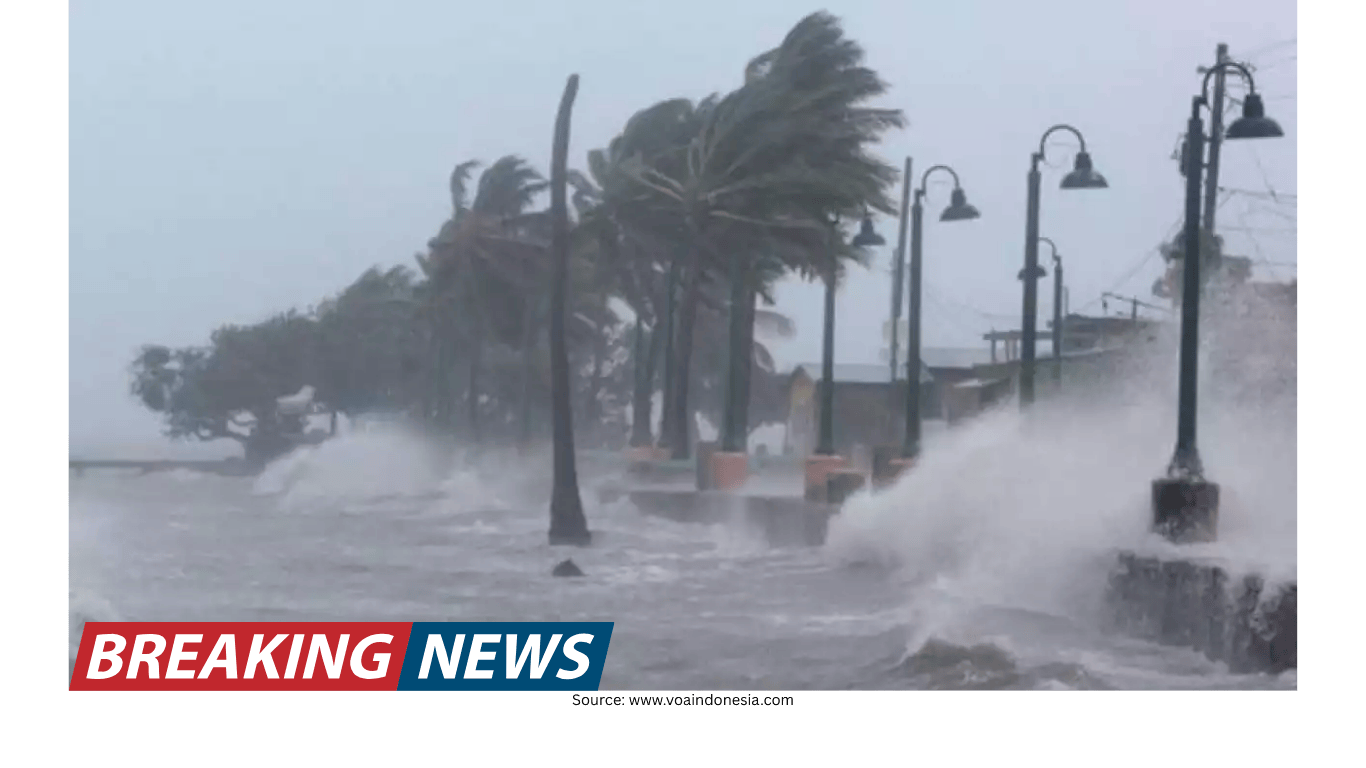
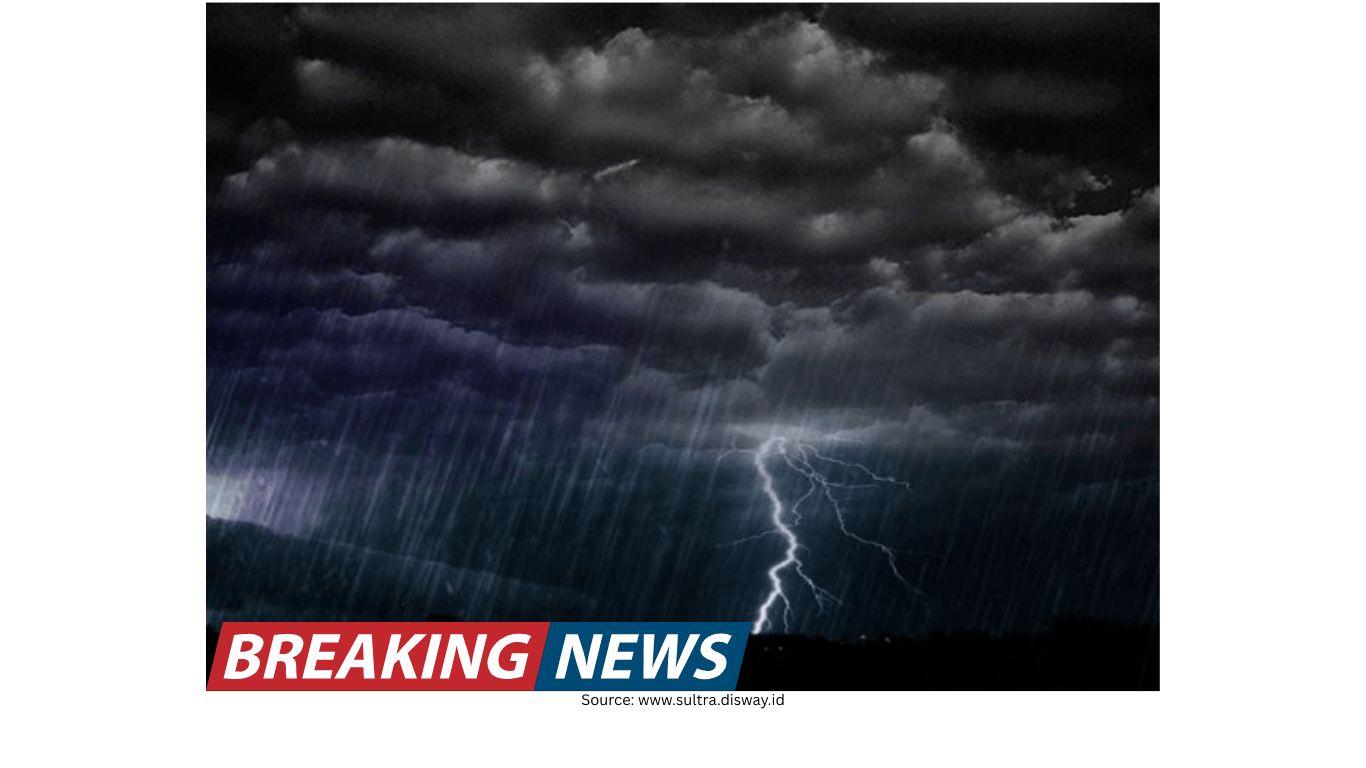
A multi-day period of active weather is expected to bring severe storms and isolated flash flooding to several parts of the United States over the next three days, beginning in the Southeast. Forecasters are watching for a range of hazards that can accompany spring storm systems, including strong wind gusts, large hail, and the potential for tornadoes.
The timing and geography of the threat are expected to evolve over the course of the week. The first phase focuses on the Southeast, where millions of people were under a risk for severe storms on Monday. From there, the concern shifts toward the Midwest and southwest Texas on Tuesday, followed by a broader corridor of potential damaging straight-line winds as the middle of the week approaches.
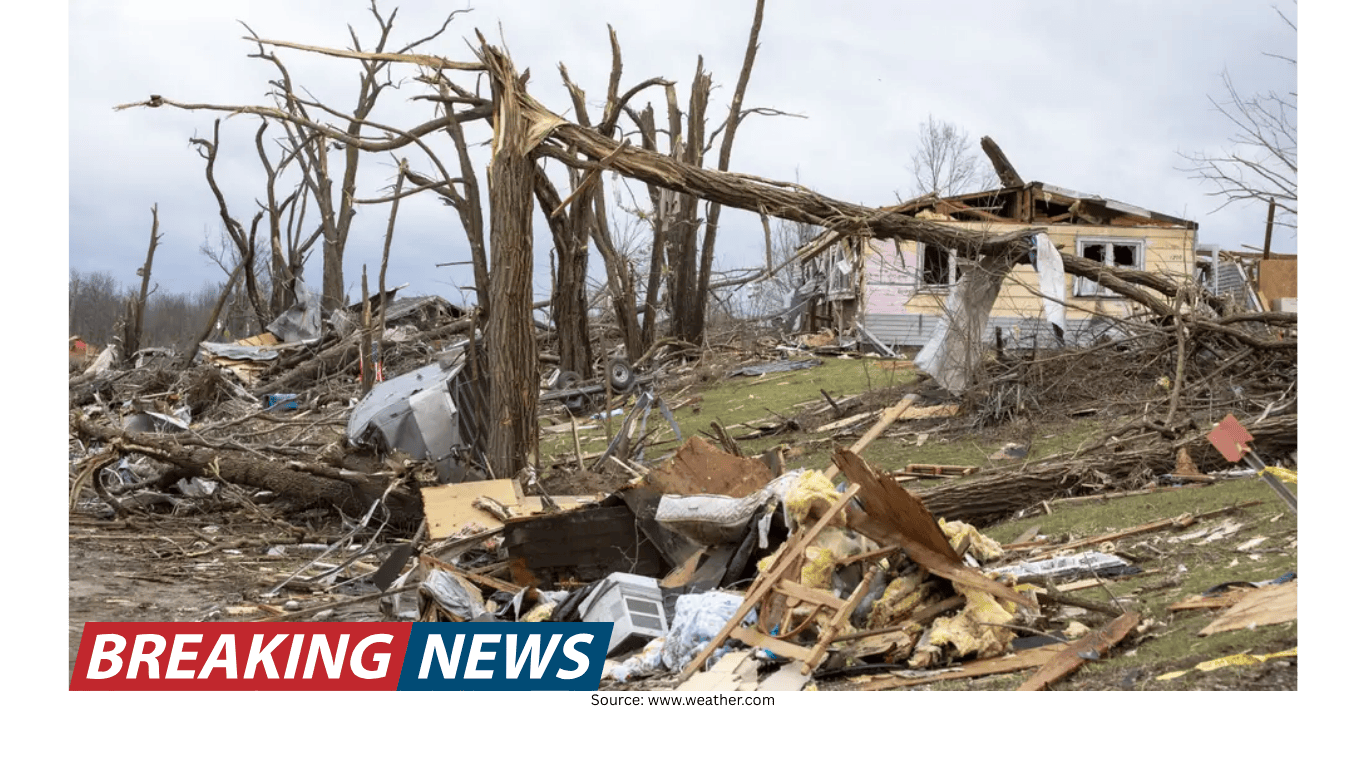
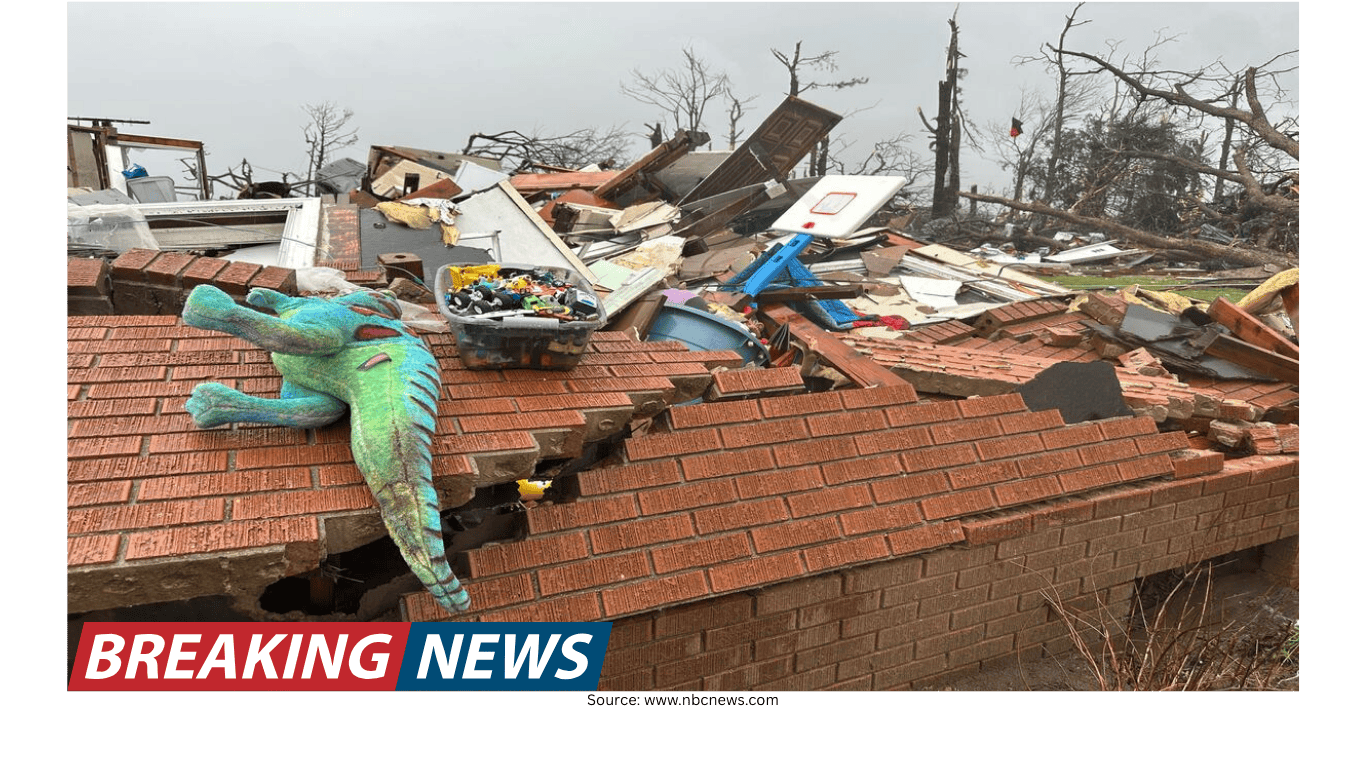
While severe weather is a recurring feature of this time of year, the latest outlook carries added weight because it follows a deadly tornado outbreak that struck parts of Michigan and Oklahoma last week. For communities still assessing damage and grieving losses, another round of storms can complicate recovery efforts and heighten anxiety, particularly when tornadoes and nighttime storms are possible.
Monday: millions at risk from Arkansas to Alabama
On Monday, about five million people were at risk for severe storms across the Southeast. The risk area stretched from central Arkansas to central Alabama, a swath that can see rapidly changing conditions when warm, moist air interacts with storm systems moving in from the west.
The main threats highlighted for the day included strong wind gusts, large hail, and a potential tornado. Even when tornadoes do not develop, severe thunderstorms can still produce damaging winds capable of downing trees and power lines, while hail can damage roofs, vehicles, and crops.
In addition to the severe storm risk, isolated flash flooding was also part of the broader multi-day outlook. Flooding can occur quickly when storms repeatedly move over the same area or when heavy rainfall overwhelms drainage systems, especially in locations with saturated ground.
Tuesday: heightened concern for the Midwest and southwest Texas
By Tuesday, attention turns to the Midwest and southwest Texas, where two clusters of storms could bring winds up to 60 mph and the potential for flash flooding. A wind threat of that magnitude can cause damage even without tornadoes, particularly if gusts are widespread or persistent.
Storm clusters can also create localized flooding problems when heavy rain falls in a short period. The combination of strong winds and water can be especially disruptive, affecting transportation, utilities, and the ability of emergency crews to respond quickly.
As the system progresses, the tornado risk is expected to continue this week for the Midwest and the Southwest. That ongoing concern reflects how multi-day storm patterns can shift the most intense hazards from one region to another rather than ending after a single day.
Midweek: a broad straight-line wind threat and tens of millions in the risk zone
As the middle of the week approaches, straight-line winds are expected to become a major concern across a large portion of the country. Forecasts indicate that straight-line winds from central Pennsylvania to central Louisiana will rush in, putting about 27 million people at risk.
Straight-line winds are a common but sometimes underestimated severe weather hazard. Unlike tornadoes, which are characterized by rotating winds, straight-line winds can spread damage across wide areas, knocking down trees, damaging structures, and causing power outages. When these winds accompany fast-moving storm lines, impacts can be widespread and occur with limited time to react.
The size of the risk area underscores the reach of the unfolding weather pattern. For residents across this corridor, the midweek period may bring rapidly changing conditions, including storms that can intensify quickly.
Oklahoma braces again after deadly tornadoes
Oklahoma is preparing for more severe weather only days after devastating tornadoes killed a mother and daughter near Fairview. The renewed threat comes at a time when the state is still processing the loss and the aftermath of last week’s storms.
Jodie Owens, 47, and her daughter, Lexi Owens, 13, were found dead in a vehicle just west of Fairview around 10 p.m. Thursday, according to Jodie’s brother, Justin Zonts. He said the pair were driving home after Jodie picked up Lexi from a friend’s house.
Zonts described how they were racing home after receiving a tornado warning and had called to warn family members at home to take shelter. He said the family had a storm shelter installed and that they tried to be prepared.
“She’s telling them how they need to take cover. They’ve got a storm shelter put in their home. They just, they always try to be prepared,” Zonts said. “But, unfortunately, she was on the phone with her daughter just as the storm hit.”
He also emphasized the particular danger of nighttime tornadoes, noting that visibility can be extremely limited. “A tornado at night is sometimes essentially invisible, and she had, I’m sure, no idea that was right in front of her or coming right at her from the side,” he said.
Zonts said his sister and niece were “constantly together” and joked that they were attached at the hip. He added that Jodie and her husband, David, who have eight children, moved to Oklahoma in recent years.
As the state braces for another round of storms, the story of Jodie and Lexi highlights how quickly severe weather can turn life-threatening, especially when warnings arrive as people are traveling. It also underscores the reality that preparation reduces risk but cannot eliminate it, particularly when storms intensify rapidly or strike after dark.
Michigan continues to recover from last week’s outbreak
The same deadly tornado outbreak that hit Oklahoma also struck Michigan, where three people were killed in the Union City area. In addition, a 12-year-old boy, Silas Anderson, died in Cass County, Michigan.
The superintendent of Edwardsburg Public Schools confirmed the boy’s death in a letter to staff and families. “It is with a very heavy heart that I share the tragic passing of one of our sixth-grade students,” the letter began, reflecting the kind of loss that reverberates through a school community.
In the Union City area, the Branch County Sheriff’s Office said William Andrew Akers, 63, Keri Ann Johnson, 54, and Penni Jo Guthrie, 65, were found dead in close proximity. The details convey the severity of the storm’s impact and the human toll that can occur when tornadoes strike populated areas.
As new storms threaten other regions, the recovery in Michigan serves as a reminder that the consequences of severe weather extend well beyond the moment a warning is issued or a storm passes. Cleanup, repairs, and emotional recovery can take far longer than the storms themselves.
What the next three days could bring
The forecast calls for severe storms and isolated flash flooding across the country over the next three days, beginning in the Southeast. The hazards identified across the different days and regions include damaging winds, large hail, flash flooding, and tornadoes.
Because the system is expected to unfold in phases, the areas of greatest concern shift from day to day:
Monday: Severe storm risk for parts of the Southeast, from central Arkansas to central Alabama, with threats including strong wind gusts, large hail, and a potential tornado.
Tuesday: The Midwest and southwest Texas on high alert, where two storm clusters could bring winds up to 60 mph and flash flooding.
Midweek: A broad straight-line wind threat from central Pennsylvania to central Louisiana, putting 27 million people at risk.
In addition, the tornado risk is expected to continue this week for the Midwest and the Southwest. That continuing risk is notable in a week already marked by deadly tornadoes, and it reinforces the importance of monitoring conditions as the storm track evolves.
A contrasting weather note: warmth returns to the East Coast and Florida
While severe storms dominate the forecast in many regions, parts of the East Coast are finally seeing warm weather after what was described as a bitterly cold winter. In New York City, temperatures reached 69 degrees on Sunday, marking the first 60-degree day since early November.
The milestone also ended New York City’s longest stretch of consecutive days below 60 degrees since the winter of 1981 to 1982. For many residents, that kind of statistic is more than trivia: it captures how persistent the chill had been and why a warm day can feel like a turning point in the season.
Farther south, Florida also saw notable warmth. Tampa hit 90 degrees on Sunday, making it the city’s earliest 90-degree day on record. The contrast between early-season heat in Florida and severe storm threats elsewhere illustrates how varied weather can be across the country at the same time.
Why this week’s forecast matters for communities
Forecasts of severe storms are routine in many parts of the United States, particularly during spring. Yet the impact is never routine for the communities in a storm’s path. This week’s outlook arrives as parts of the country are trying to recover from tornadoes that killed six people in Michigan and Oklahoma last week.
When severe weather threatens again soon after a disaster, it can strain resources and complicate recovery. Debris cleanup, temporary repairs, and disrupted services can make communities more vulnerable to additional storms. For families who have recently experienced loss, the sound of another warning can also bring a renewed sense of fear and uncertainty.
The forecast’s focus on damaging winds, hail, flash flooding, and tornado potential is a reminder that severe weather is not a single hazard but a combination of risks that can occur together or in quick succession. Across the Southeast, the Midwest, southwest Texas, and the broad midweek corridor from central Pennsylvania to central Louisiana, the next few days will require close attention to changing conditions.
As the storm system unfolds, the most important takeaway is that the risk is not confined to one place or one day. The threat begins in the Southeast, shifts toward the Midwest and southwest Texas, and then expands into a large midweek wind corridor, with tornado risk continuing for parts of the Midwest and Southwest. For those in affected areas, staying aware of forecasts and warnings will be essential as the week progresses.
Related Articles