
UN Agencies Warn of Rising Extreme Rainfall as Cyclones and Monsoon Rains Upend Lives Across Southeast Asia
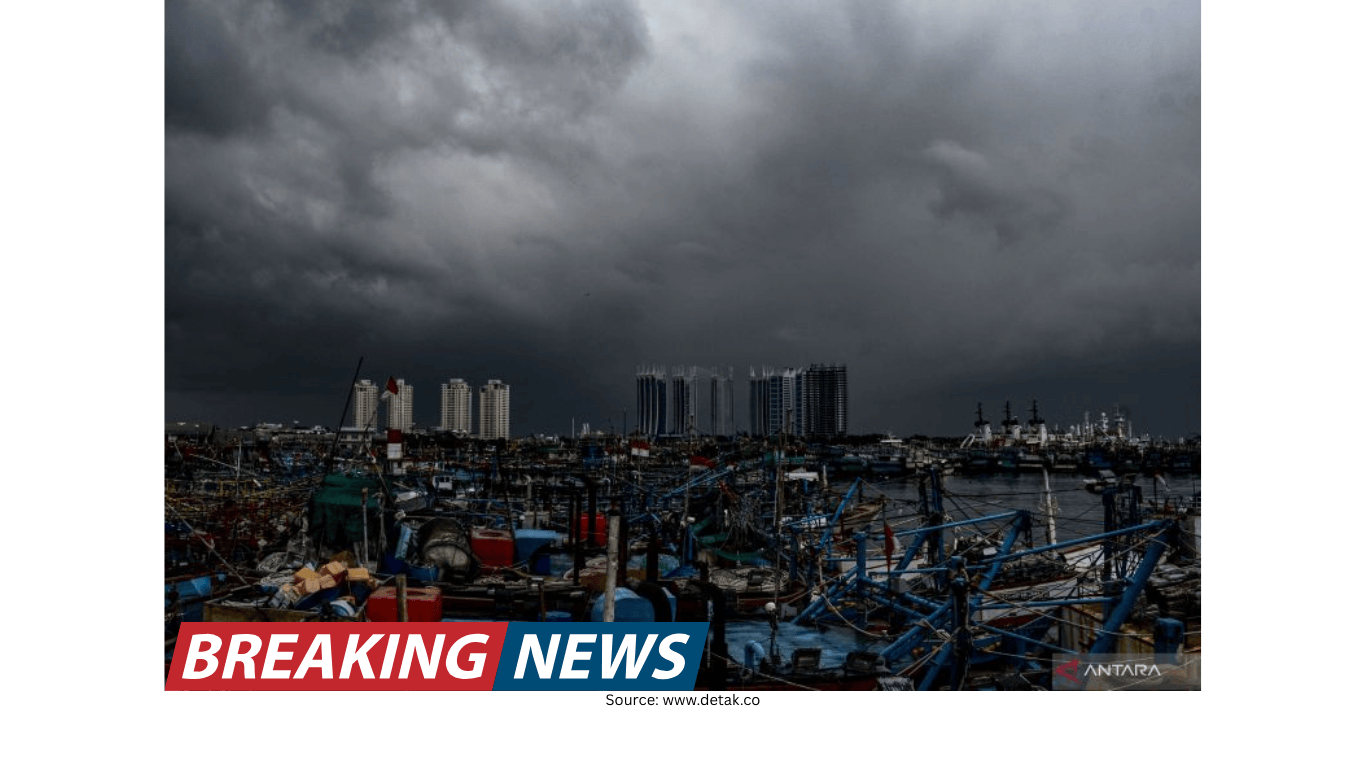
Back-to-back storms bring record rains and widespread flooding
Record-breaking rainfall and flooding across Southeast Asia have killed hundreds of people and forced large-scale displacement, according to UN agencies. The impacts have been felt across multiple countries after successive tropical storms combined with monsoon-related rainfall, creating a prolonged period of dangerous weather and compounding the strain on communities already vulnerable to flooding.
Speaking in Geneva, a spokesperson for the World Meteorological Organization (WMO), Clare Nullis, said Indonesia, the Philippines, Sri Lanka, Thailand and Viet Nam are among the countries most affected by what she described as “a combination of monsoon-related rainfall and tropical cyclone activity.” The pattern, she indicated, has produced a scale of flooding that is both deadly and disruptive, with consequences ranging from landslides to the isolation of entire communities.
The UN Secretary-General, António Guterres, expressed deep sadness over the loss of life. In a statement issued by his spokesperson, he conveyed condolences to the families of those who died and expressed solidarity with all those impacted. The statement added that the United Nations remains in close contact with authorities and stands ready to support relief and response efforts, with UN Country Teams available to provide assistance as needed.
Flooding: a persistent climate hazard in Asia
WMO officials emphasized that floods are not an occasional threat in the region; they are a recurring and leading climate hazard. “Asia is very, very vulnerable to floods,” Ms. Nullis said, noting that flooding consistently tops the list of climate hazards in the region, according to WMO’s annual State of the Climate reports.
That underlying vulnerability matters because it shapes how quickly a storm can turn into a disaster. When heavy rain falls on saturated ground, when rivers and drainage systems are overwhelmed, or when communities are located in flood-prone areas, the impacts can escalate rapidly. The latest sequence of storms and intense rainfall has shown how quickly conditions can deteriorate across wide areas, affecting both dense cities and rural communities.
Rare near-equator cyclones magnify impacts
Among the events highlighted by the WMO was Tropical Cyclone Senyar, which brought “torrential rainfall and widespread flooding and landslides” across northern Sumatra in Indonesia, peninsular Malaysia and southern Thailand. Ms. Nullis stressed that tropical cyclones occurring so close to the Equator are unusual.
“It's not something that we see very often and it means the impacts are magnified because local communities… have got no experience in this,” she said. The point is not only meteorological; it is also practical. When rare hazards occur, communities may have fewer reference points for how quickly conditions can change, what protective actions to take, or how to prepare homes and infrastructure for the scale of rainfall and wind that can accompany such systems.
Indonesia: hundreds dead and mass displacement
The scale of the disaster in Indonesia was underscored by figures cited by the WMO from the Indonesian National Disaster Office. According to those Tuesday figures, there were 604 fatalities, 464 people missing and 2,600 injured. The same update indicated that about 1.5 million people have been affected, with more than 570,000 displaced.
Those numbers point to a crisis that extends beyond immediate rescue operations. Large-scale displacement can disrupt livelihoods, separate families from support networks, and strain the capacity of shelters and host communities. It also creates urgent needs for safe water, sanitation and healthcare, particularly in crowded temporary settings where health risks can rise after flooding damages water systems and limits access to services.
Viet Nam: weeks of battering and a national rainfall record under review
Viet Nam has been “battered now for weeks” and is “bracing for yet more heavy rainfall,” Ms. Nullis said. She described “exceptional rains” that have flooded historic sites and popular tourist resorts, causing massive damage. The reference to heritage locations and tourist areas illustrates how extreme weather can affect not only homes and essential infrastructure, but also places tied to local identity and economic activity.
One of the most striking data points came from late October, when a meteorological station in central Viet Nam recorded a national 24-hour rainfall record of 1,739 millimetres. Ms. Nullis described the figure as “really enormous,” adding that it is the second-highest known total anywhere in the world for 24-hour rainfall.
This exceptionally high value is now subject to a formal WMO extremes evaluation committee. According to the agency, a value above 1,700 mm would constitute a record for the Northern Hemisphere and Asia. While the review process is technical, the broader implication is clear: rainfall totals of this magnitude can overwhelm even well-developed drainage and flood-management systems, and they can do so within a single day.
Sri Lanka: a fast-moving humanitarian emergency affecting children
In Sri Lanka, the UN Children’s Fund (UNICEF) described a rapidly evolving crisis after Cyclone Ditwah made landfall on the country’s east coast last week. UNICEF spokesperson Ricardo Pires said the storm affected some 1.4 million people, including 275,000 children.
He warned that the true number of children impacted is likely higher because communications were down and roads were blocked. “Homes have been swept away, entire communities isolated, and the essential services children rely on, such as water, healthcare and schooling have been severely disrupted,” Mr. Pires said.
UNICEF also highlighted the risks that can emerge after the initial storm passes. Displacement has forced families into unsafe and overcrowded shelters, while flooding and damaged water systems are increasing the risk of disease outbreaks. Mr. Pires stressed that needs currently exceed available resources and appealed for additional humanitarian funding and support for the most vulnerable.
Why extreme rainfall risk is rising, according to WMO
UN officials linked the intensity of these events to a basic physical relationship between temperature and atmospheric moisture. Ms. Nullis said rising temperatures “increase the potential risk of more extreme rainfall because a warmer atmosphere holds more moisture.”
“That's the law of physics…we are seeing more extreme rainfall and we will continue to do so in the future,” she said. The message from the WMO is that extreme rainfall is not a one-off anomaly but part of a broader pattern in which warming conditions raise the likelihood of intense downpours. In practical terms, that means communities may face heavier rainfall episodes that arrive faster, last longer, or cover wider areas than what local experience has prepared them for.
Humanitarian response: coordination and immediate needs
The UN Secretary-General’s statement emphasized that the organization is in close contact with national authorities and prepared to support relief and response efforts. In crises spanning multiple countries, coordination becomes essential: disasters do not stop at borders, and the same weather pattern can trigger different emergencies depending on geography, infrastructure, and the resilience of local services.
UNICEF’s warnings in Sri Lanka also underline how quickly a weather emergency becomes a humanitarian one. When roads are blocked and communications fail, assessing needs becomes harder. When shelters are overcrowded and water systems are damaged, health risks can rise. And when schooling is disrupted, children can lose not only education but also access to routine services and safe spaces.
Key facts highlighted by UN agencies
- UN agencies reported record-breaking rains and flooding linked to back-to-back tropical storms and monsoon-related rainfall across parts of Southeast Asia.
- WMO said Indonesia, the Philippines, Sri Lanka, Thailand and Viet Nam are among the most affected countries.
- In Indonesia, figures cited from the national disaster office included 604 fatalities, 464 missing, 2,600 injured, about 1.5 million affected and more than 570,000 displaced.
- In Viet Nam, weeks of exceptional rain have flooded historic sites and tourist resorts; a station recorded 1,739 mm in 24 hours, a national record now under formal evaluation.
- In Sri Lanka, UNICEF said Cyclone Ditwah affected about 1.4 million people, including 275,000 children, with communities isolated and essential services disrupted.
- WMO said rising temperatures increase the potential risk of more extreme rainfall because warmer air holds more moisture.
A region facing familiar floods and unfamiliar extremes
The latest disasters show two overlapping realities. First, flooding is a familiar hazard across Asia, repeatedly identified as the region’s most significant climate-related threat. Second, the combination of monsoon rains with tropical cyclone activity, including rare near-equator cyclones, can produce conditions that exceed what many communities have experienced before.
From northern Sumatra to central Viet Nam and Sri Lanka’s east coast, the consequences have included deaths, injuries, missing persons, damaged homes, isolated communities and disrupted services. UN agencies have framed the situation as both an immediate emergency and a warning sign: as temperatures rise, the risk of extreme rainfall grows, and the region’s already high exposure to floods can translate into more frequent and more severe disruptions to daily life.
For affected communities, the path forward begins with rescue and relief, but it does not end there. The displacement of hundreds of thousands of people, the damage to water systems and schools, and the strain on healthcare services can persist long after floodwaters recede. UN agencies have signaled readiness to support national efforts, while also stressing that needs in some areas already exceed available resources.