
Northeast Forecast: More Snow Chances Follow a Major Blizzard
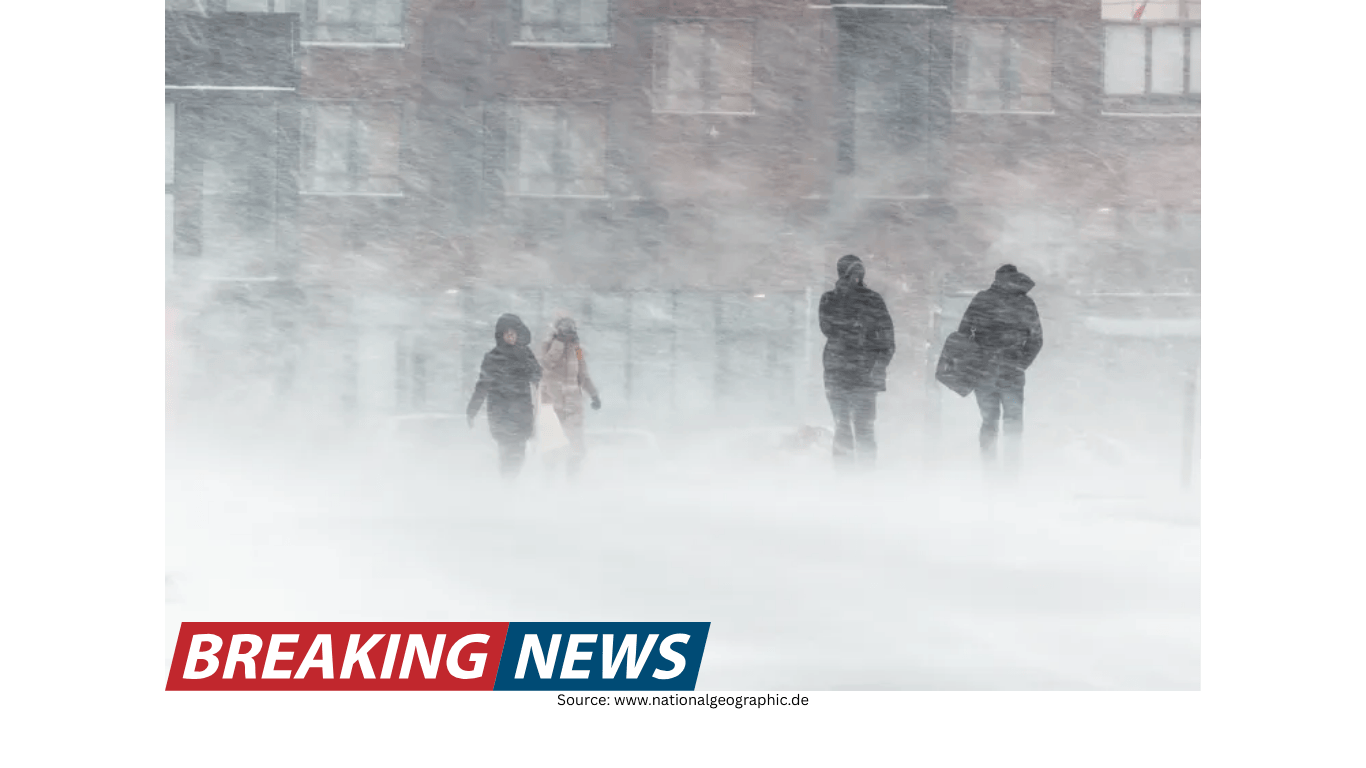
The Northeast, still dealing with the impacts of a major winter storm, may not get much of a break if the latest forecasts hold. While the most intense part of the storm was moving away from the United States by the morning of Feb. 24, forecasters said additional chances for snow and mixed precipitation could follow in the days ahead.
In the wake of a storm that produced more than 2 feet of snow in some states, the National Weather Service’s Weather Prediction Center reported that the system was tracking northeast and departing the country, moving along the Canadian Maritimes. Even as the storm pulled away, gusty winds were expected to linger across the Northeast before easing through the day.
For residents and local crews, that timing matters: strong winds can complicate cleanup, reduce visibility, and create drifting even after snowfall ends. But the bigger message from forecasters was straightforward—more winter weather opportunities are lining up, and freshly cleared surfaces could become snow covered again.
The major storm is leaving, but winds will linger briefly
By Feb. 24, the Weather Prediction Center said the storm was moving away from the United States. The immediate concern after a large storm often shifts from snowfall totals to secondary hazards, and forecasters noted that gusty winds would remain in the Northeast before dissipating through the day.
That transition—storm departure followed by lingering wind—can still be disruptive. Even without new heavy snow, wind can affect travel conditions and visibility, particularly in areas where snow has accumulated deeply. The expectation that winds would ease later in the day offered some near-term relief, but it did not signal an end to wintry conditions for the week.
More snow chances expected as the region digs out
Forecasters emphasized that the Northeast is “not quite done with snow yet.” In an online forecast dated Feb. 24, AccuWeather noted that “additional chances for snow are on the way this week across the Northeast as many will start to dig out from the blockbuster blizzard.”
This outlook points to a familiar late-winter pattern: a major storm exits, but the broader weather setup continues to support more systems capable of producing snow or mixed precipitation. For many communities, that can mean a prolonged period of winter operations—plowing, salting, and clearing sidewalks—rather than a single event followed by rapid improvement.
First system: a clipper crosses the Great Lakes and reaches New England
The first of the next potential rounds is described as a clipper storm. According to the forecast, it was expected to track across the Great Lakes on Tuesday, Feb. 24, and Wednesday, Feb. 25. Forecasters said it would spread a swath of snow from northern Minnesota into New England.
Clipper systems are typically fast-moving, and while they may not produce the same extreme totals as a major coastal storm, they can still create widespread travel issues—especially when they arrive on top of existing snowpack. Even modest additional accumulation can make conditions slippery and can re-cover roads and sidewalks that have already been cleared.
Farther south, the forecast suggested a different outcome. In areas including Washington, D.C., Philadelphia, and New York City, snow could mix with rain as the storm moves through. That kind of mix can complicate commuting and road treatment decisions because conditions can change quickly over short distances and time periods.
The National Weather Service said that as the system pushes east Tuesday night into Wednesday, Feb. 25, heavy snow would come to an end across the Great Lakes, while snow showers would spread into the northern Mid-Atlantic and Northeast.
Why small snowfall totals can still matter after a blizzard
Even if the next system is not expected to match the recent nor’easter, forecasters cautioned that it can still have practical impacts. AccuWeather meteorologist Elizabeth Danco said that while snow totals would not be as significant, “any streets and sidewalks that have already been cleared of any snow can become snow covered again, especially from Pennsylvania to Maine.”
That point is especially relevant during cleanup phases. After a major storm, many communities prioritize clearing main roads first, then secondary streets, then sidewalks and public spaces. A follow-up snowfall—even a relatively light one—can slow that process by forcing crews to revisit areas that were already addressed.
For New York City, the official snowfall forecast from the clipper was roughly 1 to 2 inches, according to the weather service. While that is modest compared with major storm totals, it can still affect travel if it falls during peak commute times or if temperatures support accumulation on untreated surfaces.
Second system: late-week storm could bring snow north and ice in a transition zone
Forecasters also highlighted another potential storm later in the week that could bring wintry weather across much of the Northeast. The outlook included a familiar setup: snow to the north of the storm track and a band of sleet or freezing rain in the transition zone.
However, the National Weather Service noted that there remained “a fair amount of uncertainty” regarding the storm track in its online forecast from Feb. 24. That uncertainty is important because small shifts in storm path can change precipitation type and totals across densely populated corridors, particularly in the Mid-Atlantic and southern New England.
AccuWeather said the system should reach the eastern U.S. later Thursday, Feb. 26, into Thursday night. With cold air in place, forecasters said conditions could support a stripe of snow north of the storm track. Danco noted that “on the southern fringe of the cold, it’s possible precipitation could be a mix of rain, snow and ice.”
That mix zone can be one of the most challenging parts of a winter forecast. Snow, sleet, freezing rain, and rain can occur in close proximity, and the exact placement of the transition can determine whether roads remain mainly snow covered or become icy. While the forecast did not specify precise locations for the heaviest impacts, it emphasized that the ingredients for multiple precipitation types could be present.
Early March: another potential window for wintry precipitation
Looking further ahead, forecasters pointed to another possible threat window into early March. The weather service said that, while it was still nearly a week away at the time of the forecast, another threat of snow, sleet, or freezing rain could exist anywhere from the mid-Mississippi Valley into the Mid-Atlantic and Northeast from Monday, March 2, into Tuesday, March 3.
At that range, uncertainty is expected. The weather service said “exactly where these precipitation types occur, and also the magnitude of totals, remains unclear,” in its Feb. 24 online forecast. That kind of language reflects the limits of precision at longer lead times, particularly when multiple storm systems may be involved or when temperature profiles near the surface are marginal.
What to watch in the coming days
Based on the forecast details provided, the week ahead contains several key elements that can shape day-to-day conditions across the Northeast: lingering wind in the short term, a clipper system with a swath of snow from the Upper Midwest into New England, and a later-week storm with the potential for snow north and sleet or freezing rain in a transition zone.
Wind impacts after the main storm: Gusty winds were expected to remain in the Northeast before dissipating through the day as the major storm moved away.
Clipper timing and coverage: The clipper was expected to track across the Great Lakes Tuesday and Wednesday, spreading snow from northern Minnesota into New England.
Mixed precipitation risk farther south: Areas including Washington, D.C., Philadelphia, and New York City could see snow mixing with rain as the clipper moves through.
Re-accumulation during cleanup: Even lighter snow can re-cover cleared streets and sidewalks, especially from Pennsylvania to Maine.
Late-week storm uncertainty: Another storm later in the week could bring snow north of its track and sleet/freezing rain in a transition zone, but the storm track remained uncertain.
Early March outlook: A broader area from the mid-Mississippi Valley into the Mid-Atlantic and Northeast could see wintry precipitation March 2–3, though details were unclear.
A week of changing conditions rather than a single event
The overall forecast narrative suggests a pattern of repeated, smaller-to-moderate systems following a major storm, rather than a clean break into calmer weather. For many people across the Northeast, that can translate into a prolonged stretch of winter routines: monitoring forecasts, adjusting travel plans as conditions change, and continuing snow removal efforts as new rounds arrive.
Forecasters stressed both the likelihood of additional snow chances and the uncertainty that remains for later systems. The clearest near-term signal was the clipper storm expected to bring a swath of snow from northern Minnesota into New England, with a rain-snow mix possible farther south. Beyond that, attention turns to the late-week storm and the early March window, where precipitation type and totals depend heavily on storm track and the placement of cold air.
As the Northeast continues to dig out from the recent blizzard, the coming days may require continued flexibility, particularly in areas where even a small additional accumulation can slow cleanup and affect travel.